Portable Ball Pump: Which Nozzle and Pressure Range Do You Need?
Quick Answer
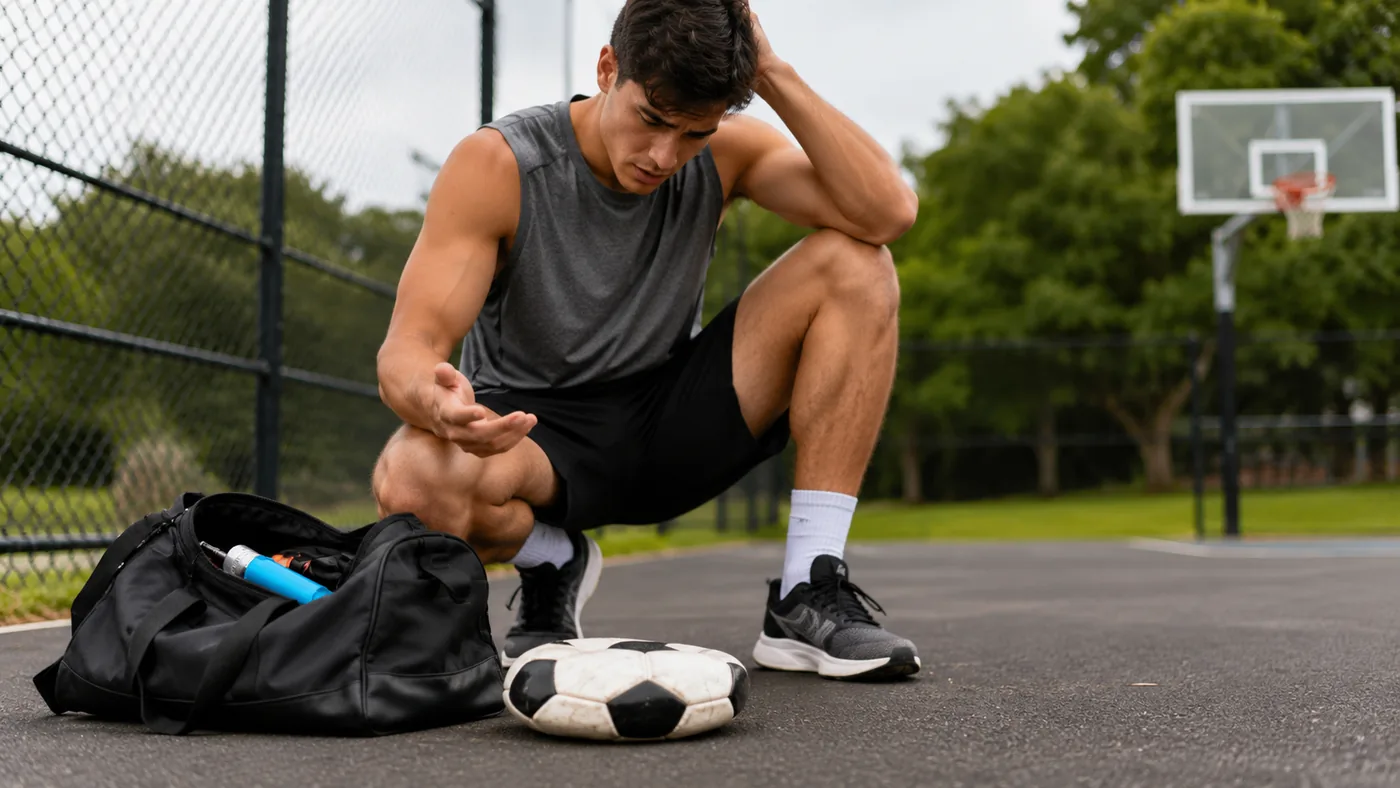
Sports balls that keep going soft should first be checked for a loose valve, a damaged needle, and the correct inflation range. A portable ball pump helps when several balls need occasional top-ups away from a full-size pump. Skip it for car tires, high-volume inflatables, or any job that exceeds the pump and nozzle limits shown on the current listing.
- Try first: Inspect the valve, use the correct needle, and compare pressure with the marking on the ball.
- Consider one when: Balls are used regularly at parks, practices, or family games where a larger pump is unavailable.
- Skip if: The ball leaks quickly after inflation or you need a gauge and controlled high pressure.
Start With the Real Bottleneck
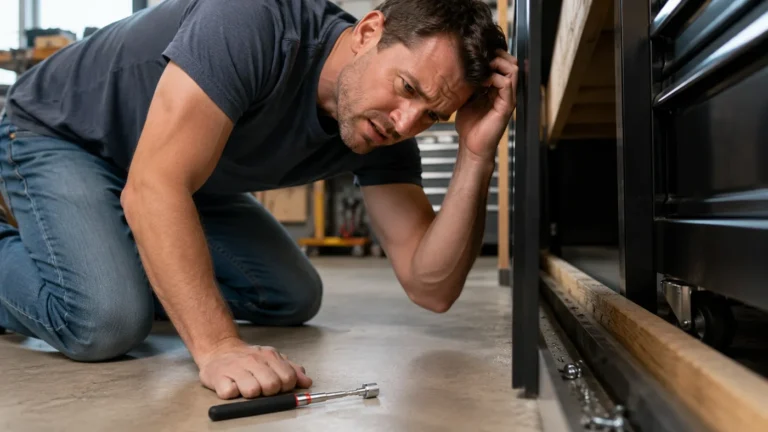
Low pressure can come from normal air loss, a poor needle seal, valve damage, or storage temperature. Pumping again without identifying the cause may only hide a leak.
- Normal pressure loss: A ball stored for weeks may need a small top-up before play.
- Valve leakage: Air returns quickly and the valve may hiss or feel loose.
- Wrong attachment: A needle or nozzle that does not seat correctly wastes effort and can damage the valve.
- Unclear pressure: Guessing by feel can leave a ball too soft or unnecessarily hard.
Inflate one ball with a known-good needle and check it again the next day. Fast pressure loss points to the ball or valve, not a need for a new pump.
Start With the No-Buy Fix
- Read the pressure guidance printed on the ball.
- Inspect the valve for dirt, cracking, or obvious damage.
- Use a small amount of suitable valve lubricant if the ball maker recommends it.
- Borrow or use an existing pump to confirm the ball holds air.
- Store the needle in a protected sleeve so it stays straight and clean.
Try before buying: If an existing bicycle or floor pump accepts a ball needle and is always nearby, adding a second pump solves little.
Choose by the Real Situation
One ball at home
- Start here: Use an existing compatible pump
- Product decision: Usually no
- Check before deciding: Correct needle
Several team balls
- Start here: Check which ones actually leak
- Product decision: A portable pump saves trips
- Check before deciding: Effort and needle storage
Ball loses air overnight
- Start here: Inspect valve or replace ball
- Product decision: A pump will not fix the leak
- Check before deciding: Leak location
Car tire or large mattress
- Start here: Use the proper inflator
- Product decision: This tool is the wrong class
- Check before deciding: Pressure and volume limits
Where One Gadget Can Help
A portable ball pump earns space when it is carried to repeated games and prevents a soft ball from ending a session. Manual operation can also be useful where charging and outlets are inconvenient, provided the handle is comfortable enough for the number of balls involved.
The example listing mentions sports balls, balloons, bicycles, and inflatables, but those jobs can require different attachments and pressures. Treat that broad wording as a reason to inspect the included nozzles, not as proof that one small pump suits every object.
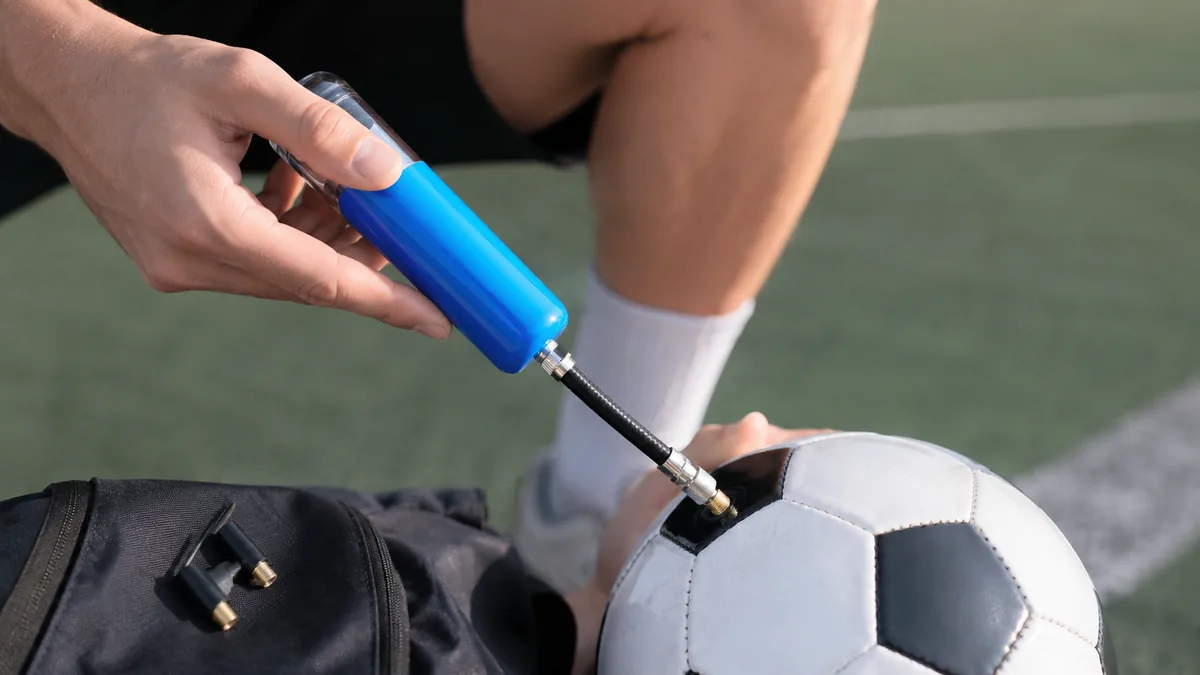
The single AliExpress listing below is one example of this tool type, not a best pick or a hands-on recommendation. Use it only as a reference, and verify the current specifications, compatibility, recent reviews, shipping, returns, and price yourself.
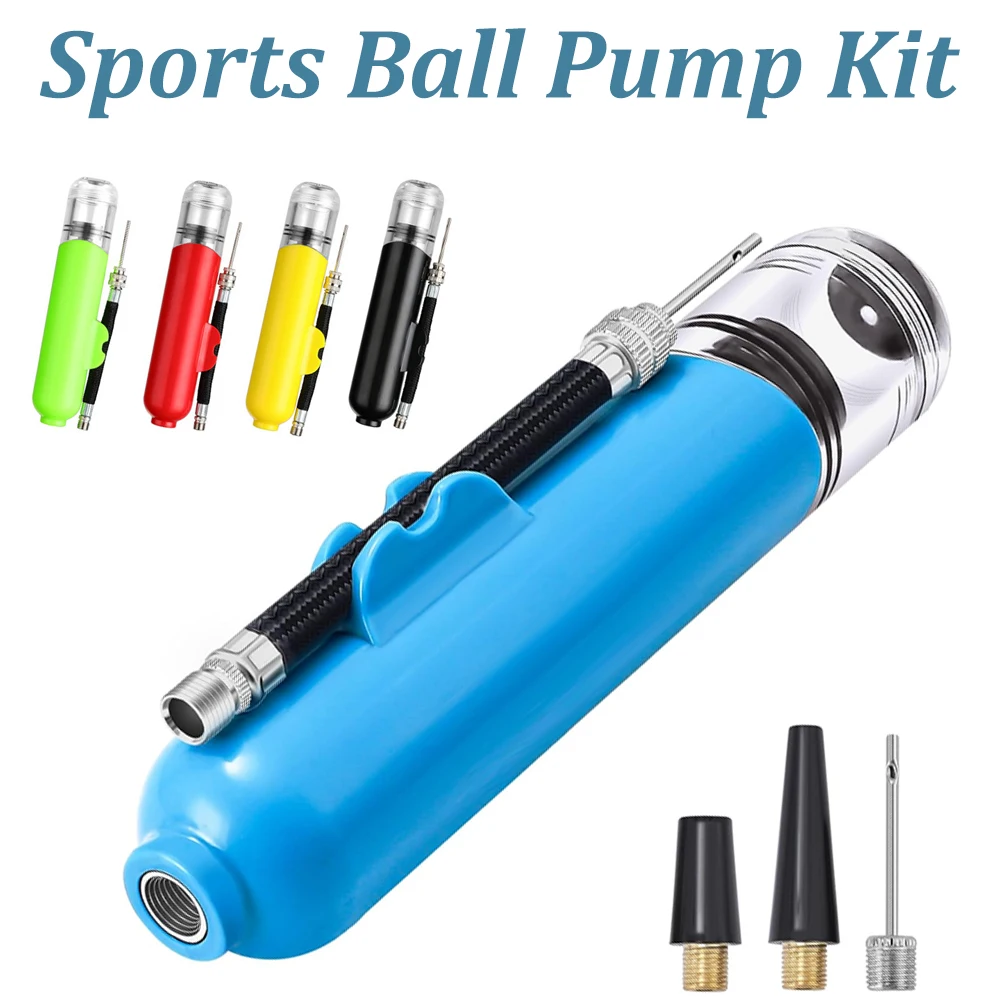
Skip the product if: you need accurate pressure control, frequent high-volume inflation, or the ball has a confirmed valve leak.
Checks Before You Order
The most important details are the attachment, the usable pressure range, and how the needle is protected between games.
- Included needles: Confirm the quantity and thread style, and consider whether replacements are easy to find.
- Pressure guidance: Look for a stated range or plan to use a separate gauge when the sport requires it.
- Handle and hose: A stable grip and enough hose clearance matter more when several balls need air.
- Packed size: The pump should fit the bag without leaving a bare needle where it can bend or puncture fabric.
- Bicycle claim: Verify the exact valve adapter before assuming it works with a bike.
Choose it for the specific balls and attachments you carry, not for every inflation claim in a long title.
What to Avoid
- Forcing a dry needle. This can stress the valve and shorten its life.
- Inflating only by feel. Different sports use different pressure ranges.
- Using a bent needle. A damaged attachment can tear a valve or leak during pumping.
- Expecting tire-pump performance. A compact ball pump may not suit high-pressure or high-volume jobs.
- Leaving the needle loose. Small attachments disappear quickly in an open sports bag.
Quick Questions
When is a portable ball pump worth adding?
It makes sense when sports balls travel often and need small top-ups where a floor pump is not available.
Who should skip a small hand pump?
Skip it if you need fast inflation for large items, a built-in gauge, or a tool for car tires.
Can the same pump work for balls and bicycles?
Only when the required needle and bicycle-valve adapter are included and the pressure range fits both jobs.
Affiliate Disclosure
This article includes one affiliate listing as an optional example. GadgetPickLab may earn a commission at no extra cost if you buy through the link. Verify attachments and pressure needs for your own equipment.