Magnetic Pickup Tool: Useful for Dropped Screws or Drawer Clutter?
Quick Answer
A dropped screw or nut is usually easiest to recover after you stop moving things, add a bright side light, and search the nearest edges before it rolls farther. An extendable magnetic pickup tool helps when the part is steel and has fallen behind an appliance, under a vehicle, or into a narrow cavity your fingers cannot reach. Skip it for aluminum, brass, plastic, or any job where a magnet could disturb sensitive equipment.
- Try first: Freeze the work area, use a flashlight at floor level, and search outward slowly.
- Consider one when: A magnetic fastener repeatedly falls into a narrow but safe-to-reach space.
- Skip if: The missing part is nonmagnetic or the search area contains sensitive electronics or moving machinery.
Start With the Real Bottleneck
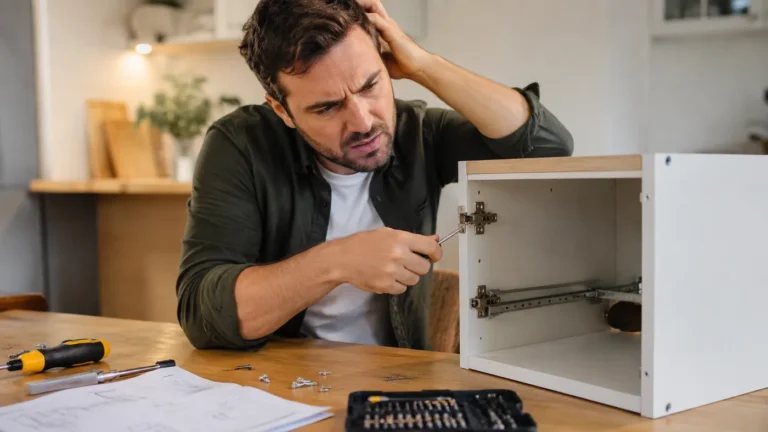
Small parts disappear for predictable reasons. They bounce off a hard surface, roll toward a wall, stick under a tire, or drop vertically into a gap. The best recovery method depends on the part’s material and the path it probably took.
Test an identical spare with a household magnet before buying a retrieval tool. Many common steel screws and nuts respond, but stainless hardware varies and aluminum, brass, copper, wood, and plastic do not. Also decide whether the space is merely awkward or genuinely unsafe. A tool does not make it acceptable to reach near a live circuit, hot engine, sharp mechanism, or machine that could move.
- Visible but unreachable: The part is under furniture or behind a fixed panel.
- Hidden after a bounce: Side lighting may reveal its shadow or reflective edge.
- Inside a narrow cavity: Head size and extension length become the important limits.
- Nonmagnetic or delicate area: A grabber, vacuum-and-mesh trick, or professional disassembly may be safer.
Free Fixes to Try First
- Stop the work. Do not sweep, roll a chair, or move the vehicle until the likely path is clear.
- Light from the side. A flashlight held close to the floor makes tiny parts cast longer shadows.
- Search the edges. Check walls, feet, wheels, and cable bundles where a bouncing part is likely to stop.
- Test the material. Use a spare part to learn whether a magnet can pick it up at all.
- Make a safe probe. For an open floor gap, a magnet securely taped to a ruler may solve a one-time problem.
- Isolate hazards. Disconnect power, let hot parts cool, and never probe a space that can move or pinch.
Try before buying: For a single dropped screw in an open area, careful lighting and a securely attached household magnet are often enough. A dedicated tool earns its place when this happens repeatedly.
What to Try in Each Situation
A screw rolled across the floor
- Start here: Side light and edge search
- Product decision: Usually no special tool
- Check before deciding: Likely bounce direction
A steel nut fell behind an appliance
- Start here: Disconnect power and inspect the gap
- Product decision: A slim magnet may reach it
- Check before deciding: Head diameter and safe access
A plastic clip dropped into trim
- Start here: Use a flexible grabber
- Product decision: A magnet will not help
- Check before deciding: Part material and shape
Fasteners drop during regular repairs
- Start here: Use a parts tray and better placement
- Product decision: A pickup tool is useful backup
- Check before deciding: Collapsed size and extension
Where One Gadget Can Help
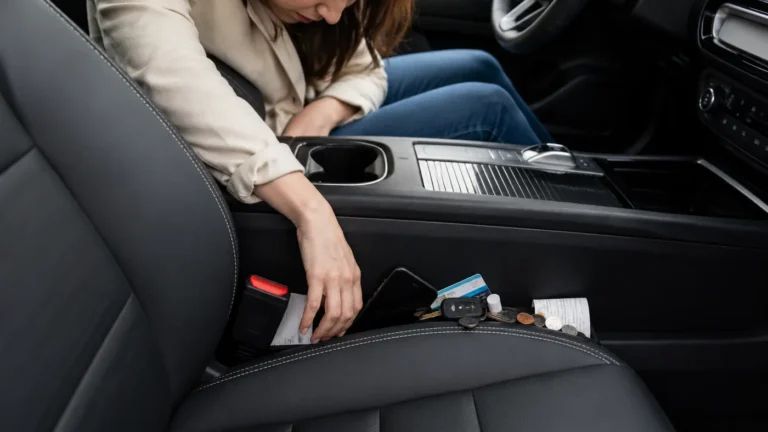
An extendable magnetic pickup tool becomes useful when steel fasteners repeatedly land beyond finger reach. Its advantage is control: a small magnetic head can travel behind cabinets, below a car seat, or through an access gap without requiring the surrounding object to be moved.
It works best as a backup to a magnetic parts tray and a calmer work surface. The listing below is one example of the tool type. It should be judged by the spaces you actually work in, not by the heaviest object a seller says the magnet can lift under ideal conditions.
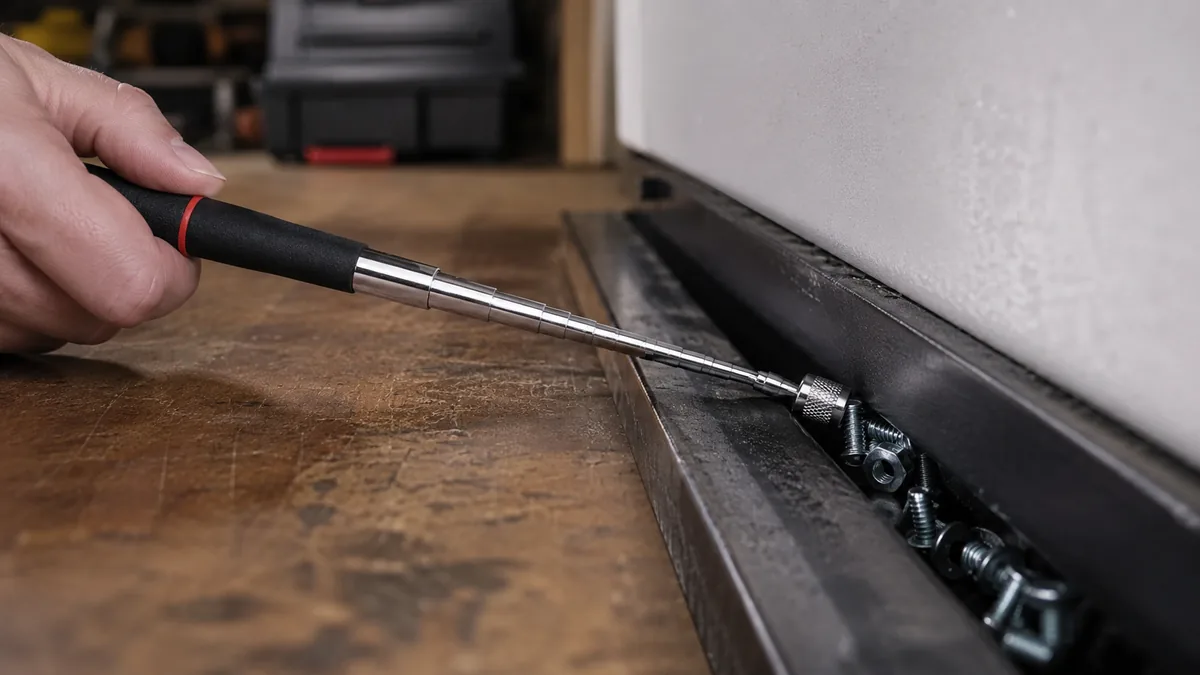
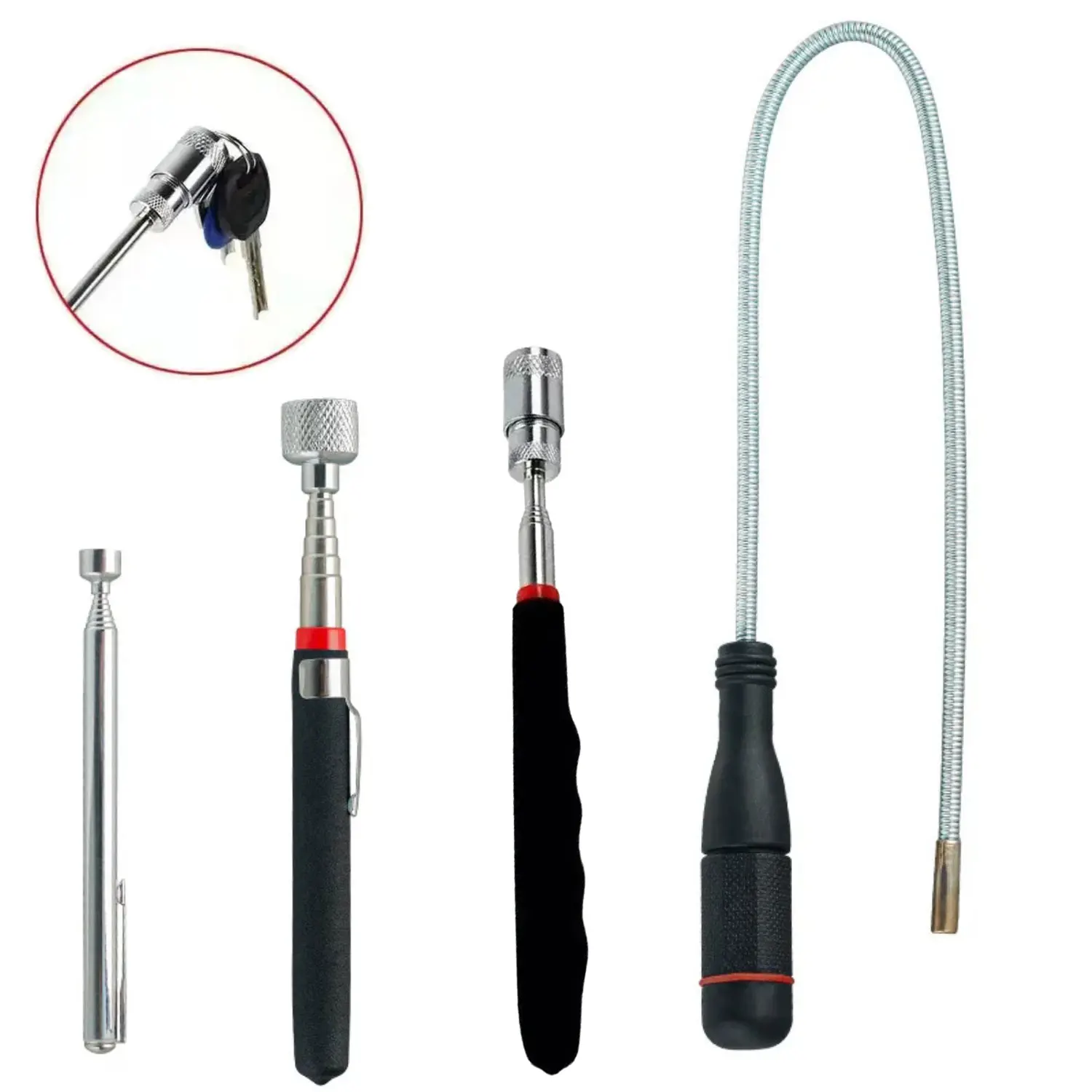
The single AliExpress listing below is one example of this tool type, not a best pick or a hands-on recommendation. Use it only as a reference, and verify the current specifications, compatibility, recent reviews, shipping, returns, and price yourself.
Skip the product if: Most of your missing parts are plastic or nonmagnetic, you rarely work around narrow gaps, or the only intended use would require probing live, hot, or moving equipment.
Buying Checks That Prevent Regret
This model is presented as a portable extendable magnet for screws, nuts, and bolts. The practical fit depends on whether its head can enter the gap, its shaft stays controllable when extended, and its magnet suits the parts you normally handle.
- Magnetic response: Confirm that your common fasteners respond to a magnet; material names alone can be misleading.
- Head diameter: A strong magnet is useless if the head cannot pass through the opening.
- Extended reach: Measure the real path into the gap, including bends and obstacles rather than only straight distance.
- Shaft control: A telescoping rod should not rotate or collapse so easily that the recovered part falls again.
- Collapsed length: The tool should fit the drawer, vehicle kit, or pouch where it will be stored.
- Rated lift: Treat the lift figure as a reference; angle, distance, rust, paint, and a tiny contact point reduce real pickup strength.
If the listing hides the head diameter or shows only a maximum length, measure your access gap before choosing the tool.
Common Setup Mistakes
- Searching before stopping movement. A chair wheel or shoe can push the part much farther away.
- Assuming every metal is magnetic. Aluminum and brass parts will not follow the magnet.
- Choosing strength over size. A large head may never reach the place where small hardware falls.
- Probing unsafe equipment. Magnetic reach does not replace power isolation, cooling, or proper disassembly.
- Skipping prevention. A shallow parts tray and better work position save more time than repeated retrieval.
Practical FAQ
When is a magnetic pickup tool worth adding?
It is worth adding when you regularly handle small steel fasteners near narrow gaps and careful lighting alone cannot reach them. A compact tool is especially useful in a repair kit when its head size matches the access points you encounter.
Who should skip an extendable pickup magnet?
Skip it if your parts are mostly aluminum, brass, plastic, or wood, or if reaching them would put the tool near a live circuit, hot component, moving mechanism, or sensitive magnetic equipment.
Is a stronger magnet always better?
No. Recovery also depends on head diameter, contact angle, shaft control, and the part’s material. A smaller, controllable head that fits the gap can be more useful than a stronger magnet that cannot reach the fastener.
Affiliate Disclosure
This article includes one affiliate listing as an optional example. GadgetPickLab may earn a commission at no extra cost if you buy through the link. The tool is presented as a retrieval aid for suitable magnetic parts, not as a substitute for safe repair procedures.