STEM Robot Kit: Play Value, Setup, and Storage Checks
Quick Answer
A learning toy is more likely to last when the child already enjoys patterns, movement, pretend play, or giving simple instructions. Start with screen-free direction games using blocks, paper arrows, or a favorite toy. A coding robot can help when a child wants immediate movement, lights, or sounds after building a sequence and an adult will join the activity. Skip it when the age fit, controls, or required supervision is unclear.
- Try first: Play a simple forward, turn, and stop game with objects already at home.
- Consider one when: The child repeats sequencing games and enjoys cause-and-effect play with an adult.
- Skip if: The controls frustrate the child, loose pieces are unsuitable, or nobody wants to guide setup and storage.
Why This Keeps Happening
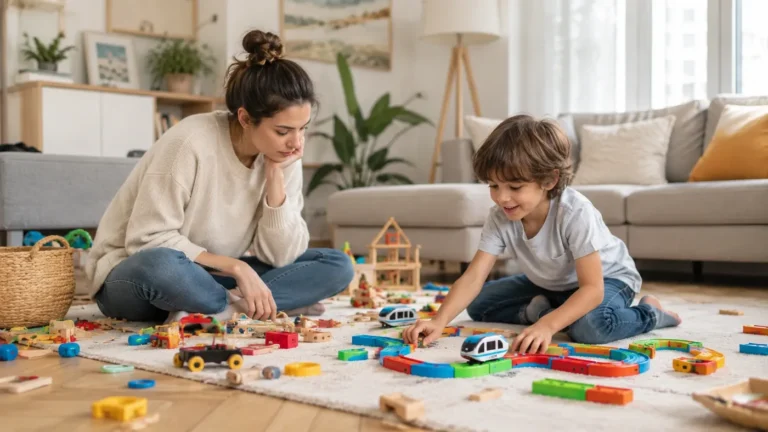
“Educational” does not describe how a toy will fit one child. Some children enjoy arranging instructions and watching a result. Others prefer building, stories, music, or open-ended movement. A coding label cannot turn a mismatched play style into a lasting interest.
Watch what happens with a low-tech version first. Put three paper arrows in a row and ask the child to move a bear or block one step for each arrow. If the child changes the route, predicts the next move, and asks to play again, a programmable toy may extend that interest. If the rules stop the play or the lights and sounds become the only attraction, a simpler toy may last longer.
- Sequence interest: The child enjoys putting actions in an order and correcting a route.
- Cause-and-effect interest: Pressing or arranging something to create movement stays engaging.
- Adult-routine gap: The toy needs setup and guidance, but adults expect independent play immediately.
- Novelty-only interest: Lights and sounds attract attention, but the child does not return to the activity.
Free Fixes to Try First
- Build a route. Use tape, blocks, or paper arrows to make three or four simple steps.
- Let the child lead. Ask what should move, turn, or stop instead of demonstrating every answer.
- Add one mistake. Change an arrow and see whether correcting the route feels fun or frustrating.
- Repeat on another day. Returning voluntarily is a stronger signal than one excited session.
- Plan the storage. Decide where the toy, pieces, instructions, and charging or battery items will live together.
- Set an adult role. Choose who will handle setup, safety checks, and the first few play sessions.
Try before buying: A paper-arrow game or block maze can reveal whether the child enjoys sequencing without adding batteries, sound, or another box of parts.
A Practical Decision Check
The child likes pretend movement games
- Start here: Use arrows and a favorite figure
- Product decision: No electronic toy needed yet
- Check before deciding: Whether the game is repeated
The child enjoys correcting routes
- Start here: Build a small block maze
- Product decision: A robot can give visible feedback
- Check before deciding: Control method and difficulty
Lights and sounds are the main interest
- Start here: Try a simpler cause-and-effect toy
- Product decision: Coding features may go unused
- Check before deciding: Volume and play variety
Adults have little setup time
- Start here: Choose open-ended low-setup play
- Product decision: No purchase may be better
- Check before deciding: Charging, pieces, and supervision
The Point Where Gear Becomes Useful
A screen-free coding robot becomes useful when it turns an idea into an immediate physical result: the child arranges a sequence, the robot moves, and the route can be changed after a mistake. That feedback can make a family activity easier to repeat, especially for a child who already likes patterns and movement.
The bear-shaped robot below is one example of this toy type and is presented with lights and sounds for young children. Those features may make the first session inviting, but long-term value depends on the control method, difficulty range, adult involvement, and whether the child can create more than one fixed routine.
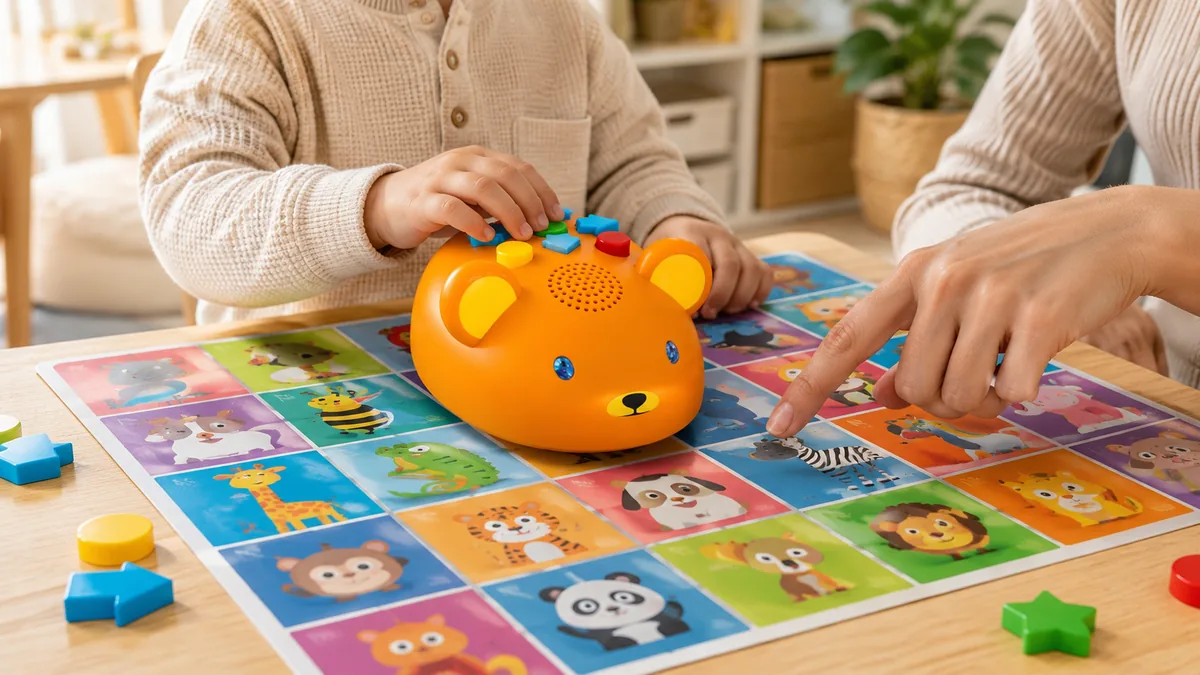
The single AliExpress listing below is one example of this tool type, not a best pick or a hands-on recommendation. Use it only as a reference, and verify the current specifications, compatibility, recent reviews, shipping, returns, and price yourself.
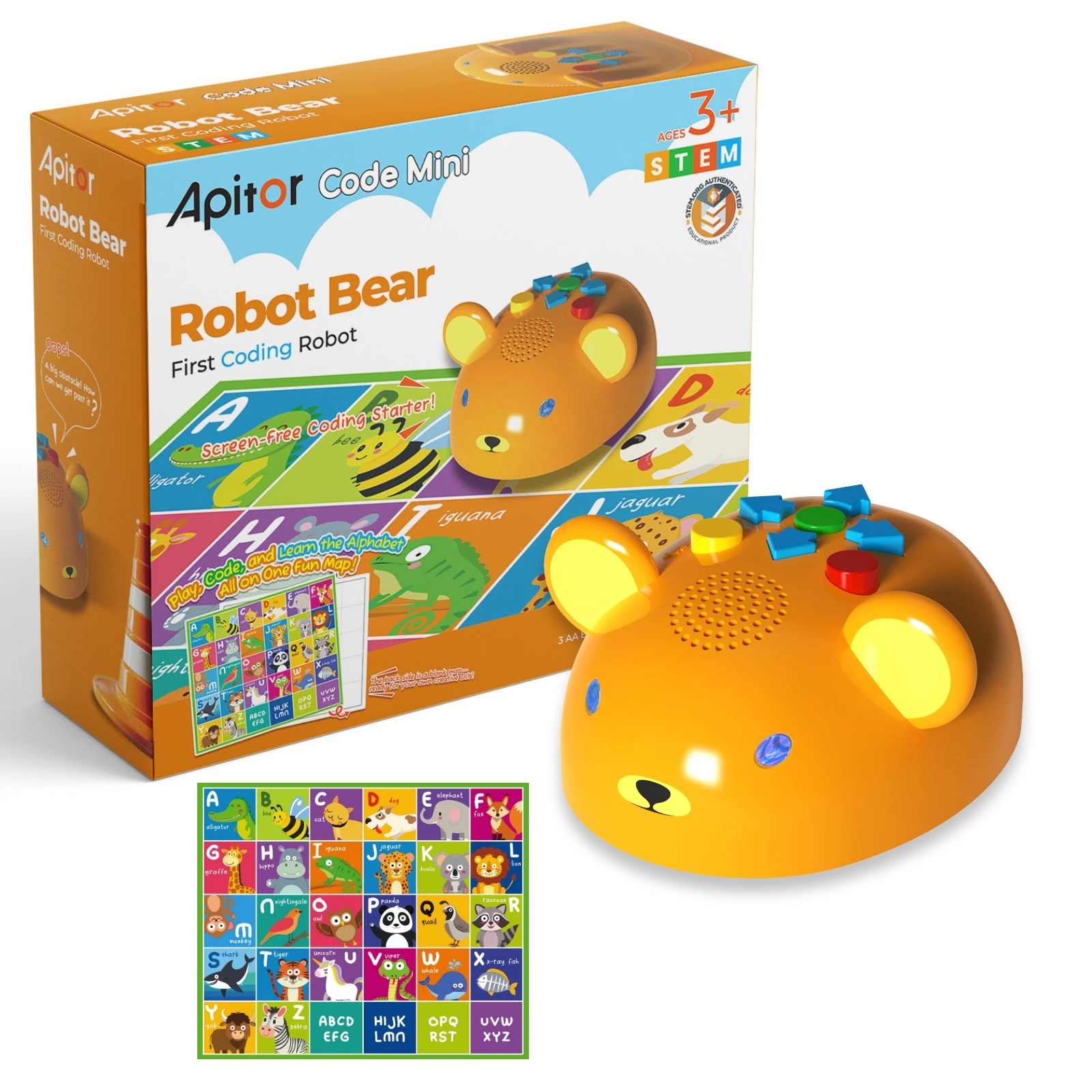
Skip the product if: The child is outside the stated age range, loose parts or sound are a poor fit, the controls are unclear, or the family is unlikely to join the setup and early play.
Buying Checks That Prevent Regret
This listing presents the toy as a screen-free coding robot for parent-child learning. Before ordering, look past the educational label and check how the child actually gives instructions, what feedback the robot provides, and what an adult must prepare.
- Age and safety: Match the stated age range, small-part warnings, battery access, and supervision guidance to the child.
- Control method: Find out whether coding uses buttons, cards, tiles, a remote, or another method and what is included.
- Difficulty range: The activity should start simply but allow longer routes or new challenges after the first week.
- Sound and lights: Check whether volume can be adjusted or muted and whether flashing effects can be limited.
- Power routine: Confirm battery type, charging method, runtime guidance, and whether an adult must open the battery compartment.
- Instructions and language: Clear examples matter when an adult is learning the controls alongside the child.
If the page shows exciting reactions but not the actual instruction method or included pieces, wait until the play pattern is clear.
What to Avoid
- Buying the education label. A toy supports learning only when the child understands and repeats the activity.
- Demonstrating every solution. The useful moment is often when the child predicts, tries, and changes a route.
- Starting with a long sequence. Two or three actions are enough for an inviting first session.
- Ignoring setup and storage. Missing pieces and an empty battery can stop the routine before it begins.
- Forcing continued play. A short successful session is better than turning the toy into a lesson the child avoids.
Common Questions
When is a coding robot worth adding?
It is worth considering when a child already enjoys sequencing, routes, or cause-and-effect play and wants to repeat those activities. An adult should also be willing to learn the controls and guide the first sessions.
Who should skip a screen-free coding toy?
Skip it when the age or small-part fit is uncertain, sound and lights are likely to overwhelm, the child prefers open-ended stories or building, or the setup routine will prevent the toy from being used.
Does a coding toy teach programming by itself?
No toy guarantees that outcome. It can provide practice with order, prediction, correction, and cause and effect, but the value comes from suitable play and conversation rather than the product label alone.
Affiliate Disclosure
This article includes one affiliate listing as an optional example. GadgetPickLab may earn a commission at no extra cost if you buy through the link. The toy is presented as one possible family activity, without promising educational outcomes or replacing adult-guided play.