A Better Way to Pick Creative Toys for Family Play
Quick Answer
Deciding whether a magic transformable cube magnetic building is useful for play, learning, or family activities starts with the room setup, not the toy. If you already need a simple, low-friction way to keep kids building at the table or floor without screens, magnetic building blocks can help as one compact option; if your problem is clutter, poor supervision, or a child who loses interest quickly, fix the routine and storage first, or skip it.
- Best for: Calm open-ended play, shared family building, simple shape and pattern practice.
- Skip if: You need a toy for rough handling, tiny storage spaces, or unsupervised play.
- Check first: Piece size, magnet strength, age fit, and where it will be stored.
When This Setup Makes Sense
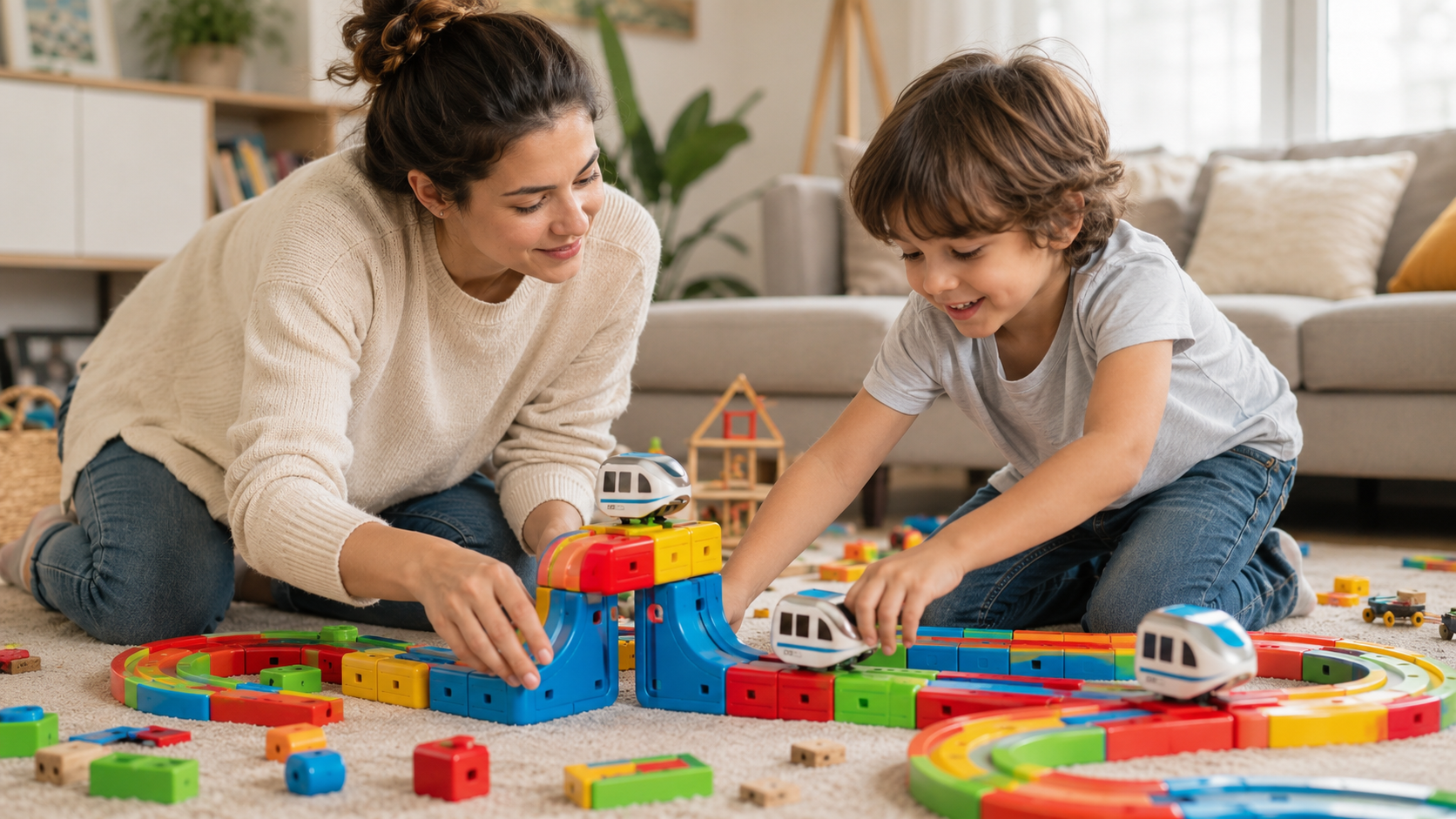
This question comes up when a family wants a toy that does more than fill time. The real issue is usually not the cube itself, but whether it fits the home routine, the child’s attention span, and the adults’ patience for cleanup and supervision.
- A parent wants a quiet table activity that does not spread across the whole room.
- A caregiver needs a toy that can support turn-taking during family play.
- A child likes building but gets frustrated when pieces are too fiddly or unstable.
- A family is trying to replace screen time with something hands-on and manageable.
- Someone needs a compact toy that can be stored in a bin without sharp edges or loose clutter.
Why the Setup Breaks Down
Most disappointment comes from expecting one toy to solve several problems at once. A building toy may support creativity, counting, matching, and shared play, but it will not automatically create a calmer routine or better storage habits.
Magnetic building blocks, including a magic transformable cube style set, work best when the space is already set up for easy access and easy cleanup. If the pieces are scattered, the pouch is too shallow, or the child has no clear place to build, even a good toy can turn into another mess on the floor.
Another common issue is mismatch. Some children want fast movement and action; others want patient construction. A toy that looks clever in a listing may still be too small, too repetitive, or too dependent on adult help.
Simple Setup Steps
- Define the main use: independent play, family play, or learning practice.
- Set one clear play zone with enough floor or table space for pieces to spread safely.
- Sort the pieces into one container with a lid that closes fully.
- Check whether the toy’s size and magnet strength match the child’s age and grip.
- Test the routine first: five minutes of setup, play, and cleanup before buying more pieces.
- Adjust the storage spot so it is easy to reach, but not easy to lose under furniture.
A simple checklist helps: room to build, safe supervision, easy cleanup, and a child who still wants to return to the toy tomorrow. That is usually enough to know whether the setup is working.
Fast Comparison Table
| Option | Best for | Watch out for |
|---|---|---|
| Magnetic building blocks | Open-ended shared play | Loose pieces, small parts |
| Transformable cube style toy | Quick shape changes | Novelty fades fast |
| Simple bricks or tiles | Longer building sessions | More cleanup time |
| Non-toy routine change | Better habits and storage | Needs adult consistency |
What to Check Before You Choose
Before adding any toy, look at the routine around it. A gadget helps most when the play space, storage bin, and supervision level already make sense.
- Choose a spot where pieces will not slide under furniture easily.
- Use a storage box that is wide enough for the largest parts.
- Check that the toy can be cleaned up in under two minutes.
- Make sure small pieces will not be accessible to younger siblings.
- Confirm the building style matches the child’s attention span.
Helpful Tools That Fit This Problem
Some families need a toy that supports repeated, low-stress play without adding more setup work. That is where magnetic building blocks can make sense, especially if the goal is family activities, simple learning value, and a clear place to store everything afterward. A magic transformable cube magnetic building set is one example of that type, but it should be treated as an optional reference point, not the answer by itself.
Who should skip this: Families looking for durable rough play, tiny travel storage, or toys that work well without supervision.
One AliExpress example that matches this tool type is included below. Use it as a reference point, then check the listing details, compatibility, and fit yourself.
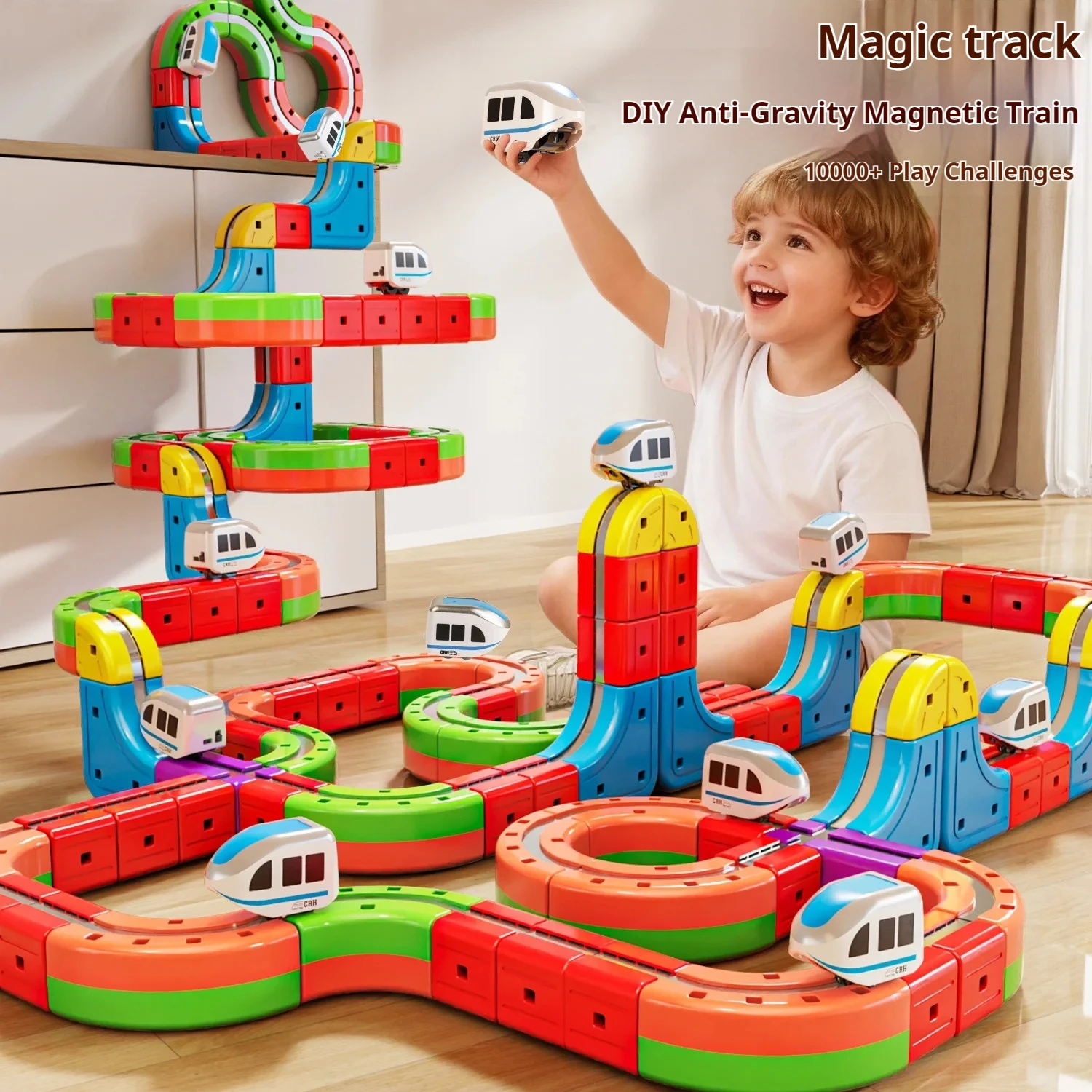
Magic Transformable Cube Magnetic Building Blocks Electric Anti-Gravity High-Speed Railway Track Toy Train Set For Kids
Price: 18.04
Common Setup Mistakes
- Poor placement: Putting the toy where pieces fall behind a sofa or bed.
- Unrealistic routines: Expecting a child to build, clean, and store everything alone.
- Compatibility problems: Buying a set too advanced for the child’s age or grip strength.
- Overbuying: Adding extra toys before the first setup proves useful.
- Skipping supervision: Treating a magnetic toy like a set-and-forget activity.
- Ignoring storage: Using a pouch that is too shallow, so pieces spill out again.
A toy often fails because the setup fails first. Fix that before adding more parts.
Quick Questions
Is a magic transformable cube magnetic building set useful for family play?
Yes, if the goal is shared building, turn-taking, and a compact hands-on activity. It works best when adults can supervise and when there is a clear cleanup spot nearby.
When is a gadget worth adding to the play routine?
It is worth adding when the toy fills a real gap: you need a simple activity that keeps attention for a few minutes, fits your storage, and does not create more mess than the family can handle.
Who should skip magnetic building blocks?
Skip them if the child is likely to mouth small parts, if supervision is hard to maintain, or if your home setup has no reliable storage and play surface.
What should I fix before buying anything?
Fix the play area first. Make sure the container is the right size, the building surface is clear, and the cleanup routine is simple enough to repeat every day.
Affiliate Note
Some pages on GadgetPickLab may use affiliate links to support the site. That does not change the advice here: the useful question is whether this type of toy fits your routine, supervision, and storage needs before you add it to the house.