How Do You Stop Glasses From Sliding Down Your Nose?
Glasses can slide for a simple reason such as sunscreen on the nose pads, or for a fit reason that a stick-on accessory cannot solve. Before adding grip, find out which part of the frame is moving.
Run three quick checks
- Clean the contact points. Wash your hands, then clean the lenses, bridge or nose pads, and temple tips using the frame maker’s care instructions. Avoid household cleaners that may damage coatings.
- Watch the temples. Place the glasses on a flat surface. A visibly uneven frame, loose hinge, or arm that no longer closes normally deserves professional adjustment.
- Notice when they move. Sliding only during heat or exercise points toward moisture and friction. Constant sliding in a cool room more often suggests fit, balance, or adjustment.
Use free adjustments before accessories
If your frame has adjustable nose pads, do not bend them blindly. Small changes affect pressure and lens position, and different frame materials require different handling. Many optical shops can check screws, temples, and nose-pad alignment quickly. A professional fit is especially sensible for expensive, rimless, progressive, or recently repaired glasses.
For exercise, a clean absorbent headband may reduce sweat reaching the frame. For everyday wear, letting sunscreen dry before putting on glasses can reduce immediate slipping. Neither method fixes a bridge that is the wrong shape or a frame that is too wide.
Pick the least intrusive add-on
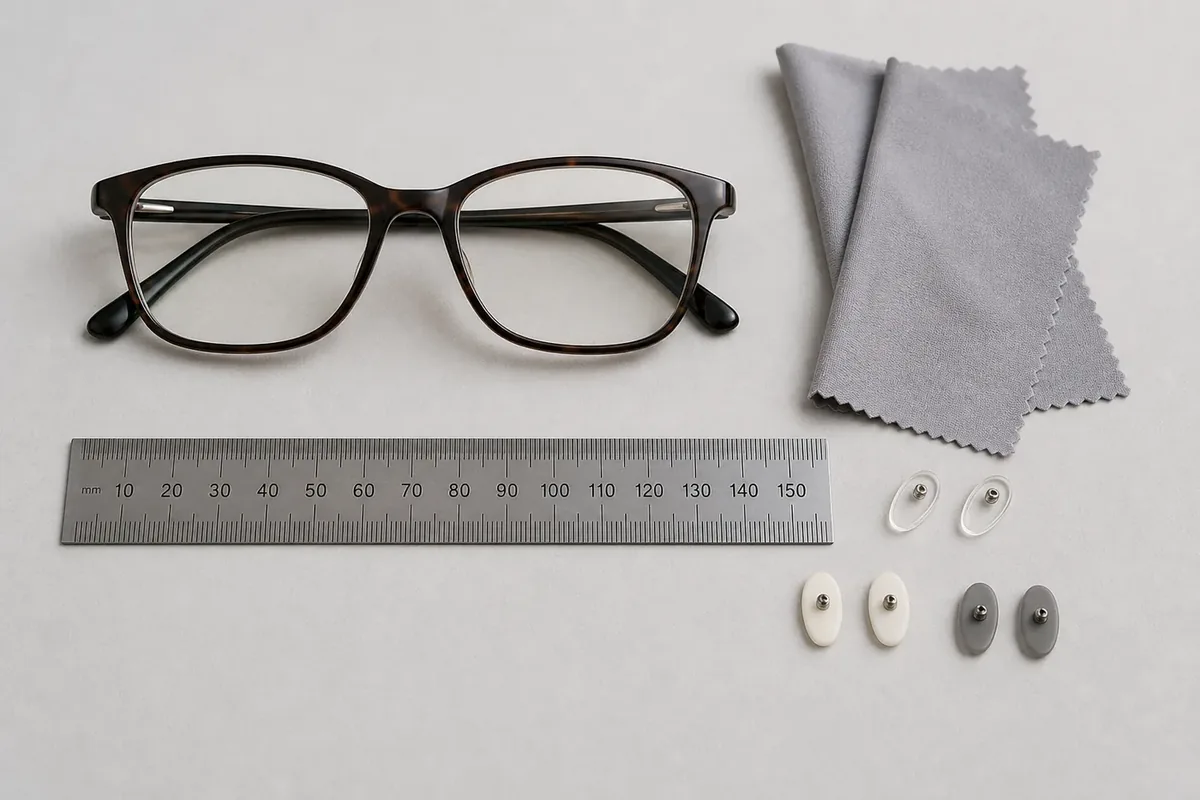
Adhesive nose pads change the bridge contact area, while temple hooks act behind the ears. Choose based on where movement begins. Adding both at once makes it difficult to tell what helped and may alter the frame position more than intended.
Start with one reversible option and wear it briefly at home. Check that the glasses still sit level, the temples can close, and no edge presses into skin. Remove the accessory if it changes vision, creates discomfort, or keeps the frame from sitting as prescribed.
Affiliate disclosure: This section contains an affiliate link. GadgetPickLab may earn a commission at no extra cost to you. This is a researched listing example, not a hands-on-tested endorsement.
Silicone temple-arm grips
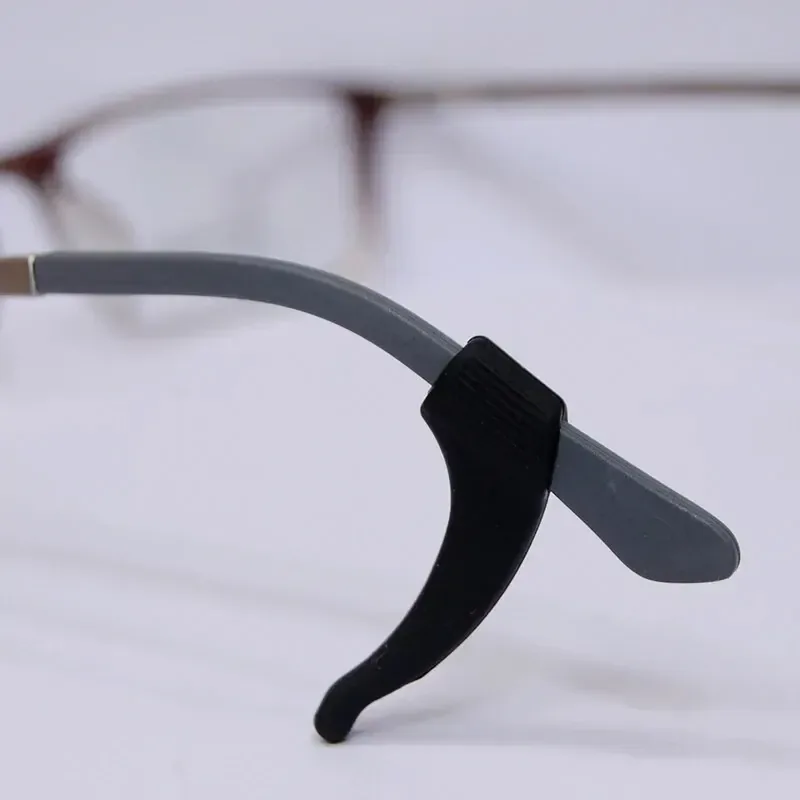
The listing shows small silicone hooks or stoppers that slide onto eyeglass temple arms. They may add friction behind the ears when the frame already fits reasonably well. They do not correct bent temples, damaged hinges, or an unsuitable bridge shape.
- Listing snapshot checked: August 9, 2026
- Marketplace signals displayed: 4,897 orders and a 98.0% positive rating
- Still verify: temple-arm width, accessory opening, placement behind the ear, skin comfort, color, quantity, and whether the frame can still fold
- Stop using: any accessory that causes pressure, soreness, trapped moisture, or interferes with hearing aids or other worn devices
View current sizes and options
Options, dimensions, price, discount, order count, rating, availability, shipping, taxes, and returns can change after the research date.
The better long-term fix
A grip is reasonable for occasional movement, sports, or a frame that is already close to a good fit. If the glasses slide all day, hurt behind the ears, leave deep marks, or sit crooked, treat that as a fitting problem. An optician can assess the whole frame instead of adding more friction to one spot.
Keep the small parts clean
Removable silicone pieces collect skin oil, hair products, and dust. Remove and wash them only as their instructions allow, dry them fully, and inspect for tears or stretching before reinstalling. Keep spare pieces away from children and pets. If an accessory migrates along the temple arm during use, it is not providing predictable restraint.
Recheck the frame after a week rather than continually moving the hooks tighter. More pressure behind the ears can mask a loose hinge while creating soreness. The right outcome is stable vision and a comfortable frame position, not a frame that feels clamped to the head.
Store removed grips together so one small part is not lost.