How to Save Prep Time in a Small Kitchen
Quick Answer
If your kitchen feels slow because containers are hard to reach, lids clutter the counter, or food spoils before you use it, start by simplifying prep and storage first: keep only the containers you reach often, move cutting and packing tools closer, and group ingredients by routine. A vacuum fresh-keeping box refrigerator sealed container can help when you portion food often and want tighter sealing without a full vacuum sealer machine setup. Skip it if the container will be bulky, hard to store after use, or slower than the habit it is meant to replace.
- Best for: Small kitchens where prep time is lost to lid hunting, spill cleanup, and wasted food.
- Skip if: You rarely store leftovers, or the extra container will crowd your shelf.
- Check first: Reach distance, counter footprint, cleaning effort, and where it lives after use.
Best Fit for This Setup
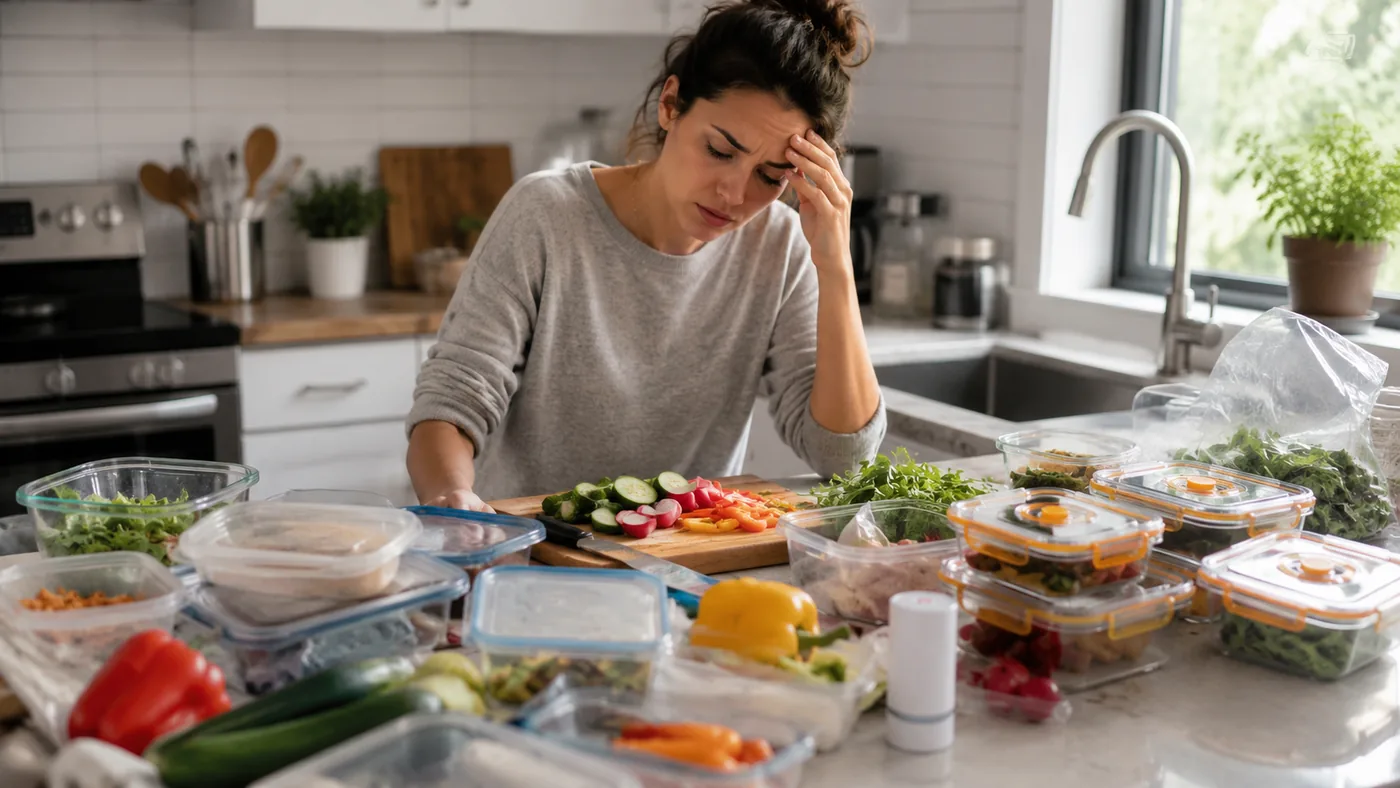
This is for the person trying to make a small kitchen feel less cramped without buying a pile of gadgets. The real problem is usually not one missing tool. It is a setup that makes every meal take longer than it should.
- You keep opening cabinets for lids, clips, or bags while dinner waits.
- You prep food in a narrow strip of counter and lose time clearing space first.
- You store leftovers, chopped produce, or meal prep in containers that are awkward to stack.
- You want less cleanup after packing food, not another item to wash and dry.
- You are deciding whether a sealed container or a vacuum sealer machine is actually worth the space.
What Usually Causes the Problem
Small kitchens slow down when storage, prep, and cleanup all compete for the same few inches. A container may keep food fresher, but if it is hard to open, awkward to stack, or too tall for the shelf, it adds friction instead of removing it.
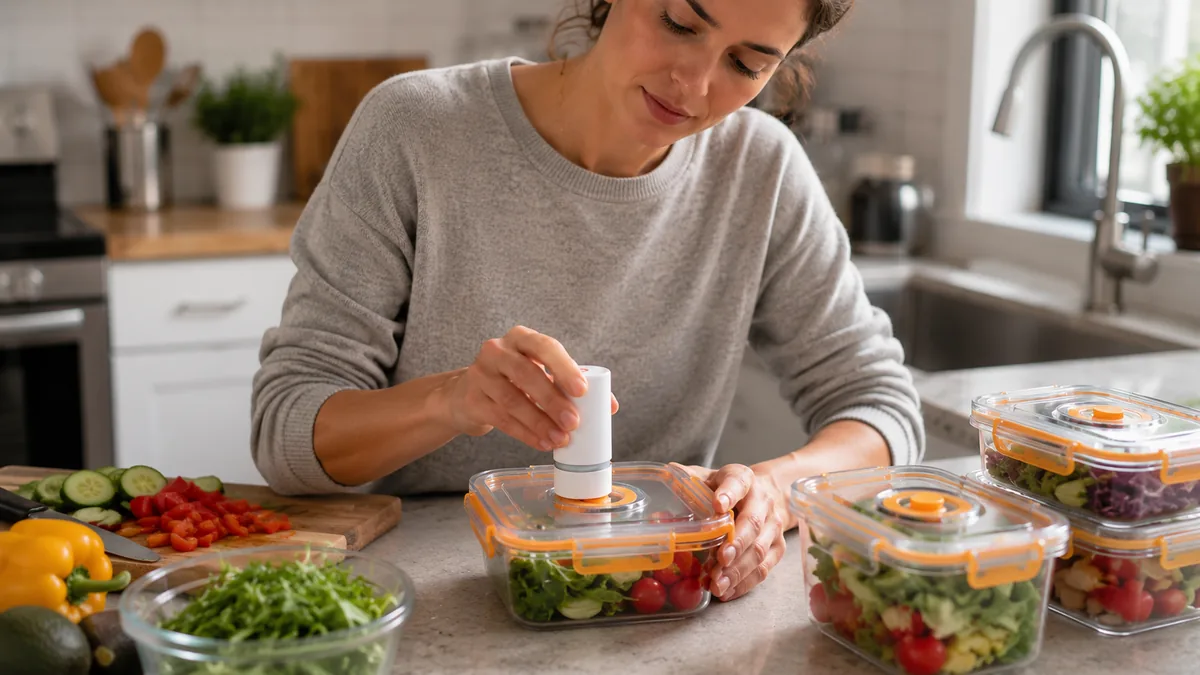
The issue is usually a mismatch between routine and equipment. A vacuum fresh-keeping box refrigerator sealed container, for example, only helps if your food flow already includes portioning, sealing, and storing in a predictable way. If you still need to clear the counter, find the pump, and wash a bulky piece afterward, the time saved can disappear.
That is why the real question is not “does it seal?” The better question is: does it reduce steps in your actual kitchen routine?
A Practical Setup Sequence
- Measure the space you use most: counter strip, fridge shelf, and cabinet height.
- Sort your prep items by frequency, not by category. Keep daily items closest.
- Remove duplicates that slow you down, such as extra lids, shallow pouches, or tall containers that block shelves.
- Group food storage around one routine: leftovers, chopped produce, or lunch packing.
- Choose one simple sealing method first. A tight lid is often enough.
- Add a vacuum-style container only if it replaces a slower step and stores neatly after use.
A practical checklist: reach it fast, open it fast, clean it fast, and store it fast. If any one of those is awkward, the setup is not saving time.
Fast Comparison Table
| Option | Best for | Watch out for |
|---|---|---|
| Simple tight lid | Fast daily leftovers | Less sealing power |
| Vacuum fresh-keeping box | Portioning and storage | Extra storage space |
| Vacuum sealer machine | Batch prep routines | Setup and cleanup |
| No gadget change | Rare storage needs | Slow routine remains |
What to Check Before You Choose
Before adding any sealed storage tool, compare it with the way you already cook and clean. A small kitchen usually rewards the option that fits the shelf, clears the counter quickly, and does not create a second chore after dinner.
- How often you pack leftovers or prep ingredients.
- Whether the container fits on the fridge shelf upright.
- How many steps it takes to seal, wash, and dry.
- Whether the shape stacks without tipping or wasting shelf height.
- Where it will live after use without blocking daily tools.
Helpful Tools That Fit This Problem
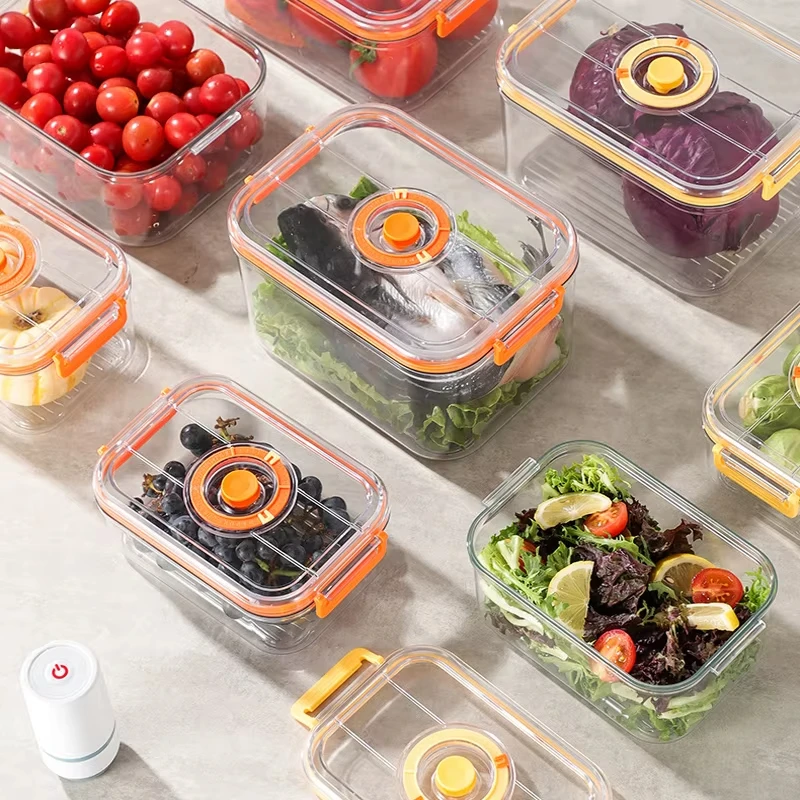
Gadgets help most when they remove a repeated friction point: too much air in storage, too many loose lids, or too many steps between prep and fridge. In that kind of setup, a vacuum fresh-keeping box refrigerator sealed container is one example of a tool that may fit the routine, especially alongside a vacuum sealer machine if you already batch prep food. **Who should skip this:** anyone whose food routine is occasional, loose, and already fine with standard containers.
One AliExpress example that matches this tool type is included below. Use it as a reference point, then check the listing details, compatibility, and fit yourself.
Common Setup Mistakes
- Buying before fixing the routine: A gadget cannot rescue a cluttered prep flow.
- Ignoring placement: If the container lives deep in a cabinet, you will stop using it.
- Choosing the wrong shape: A tall container can block shelf clearance and waste space.
- Overbuying capacity: Extra boxes create more cleaning and more storage after use.
- Expecting one tool to solve everything: A sealed box may help food storage but not prep speed.
A common example is a container that seals well but sits behind three other items. Another is a shallow pouch or clip that falls behind the fridge edge, turning a quick task into a hunt. That is not a time saver.
Practical FAQ
Does a vacuum fresh-keeping box refrigerator sealed container save useful time in a small kitchen?
It can, but only if it replaces a slower storage habit. If it helps you portion, seal, and stack food faster than your current method, it saves time. If it adds cleanup or needs extra counter space, the gain is small.
When is a gadget worth adding to a small kitchen setup?
It is worth adding when the same task happens often and the tool removes a repeat step. That means fewer loose lids, less air exposure, or faster transfer from prep area to fridge. If the routine is rare, skip it.
Who should skip a vacuum sealing-style container?
Skip it if you do not store food often, if your shelves are already crowded, or if the container will be annoying to wash and dry. In a tight kitchen, convenience matters more than the seal itself.
How does the target search query apply to real kitchen decisions?
Deciding whether a vacuum fresh-keeping box refrigerator sealed saves useful time or space in the kitchen means checking the whole routine: prep, cleaning, storage, and access. If it only improves one part while making the rest harder, it is probably not the right fit.
Disclosure Note
This article may discuss product types as practical examples. Any mention of a tool is for general information about small-kitchen setup choices, not a claim that a specific listing has been tested or endorsed.