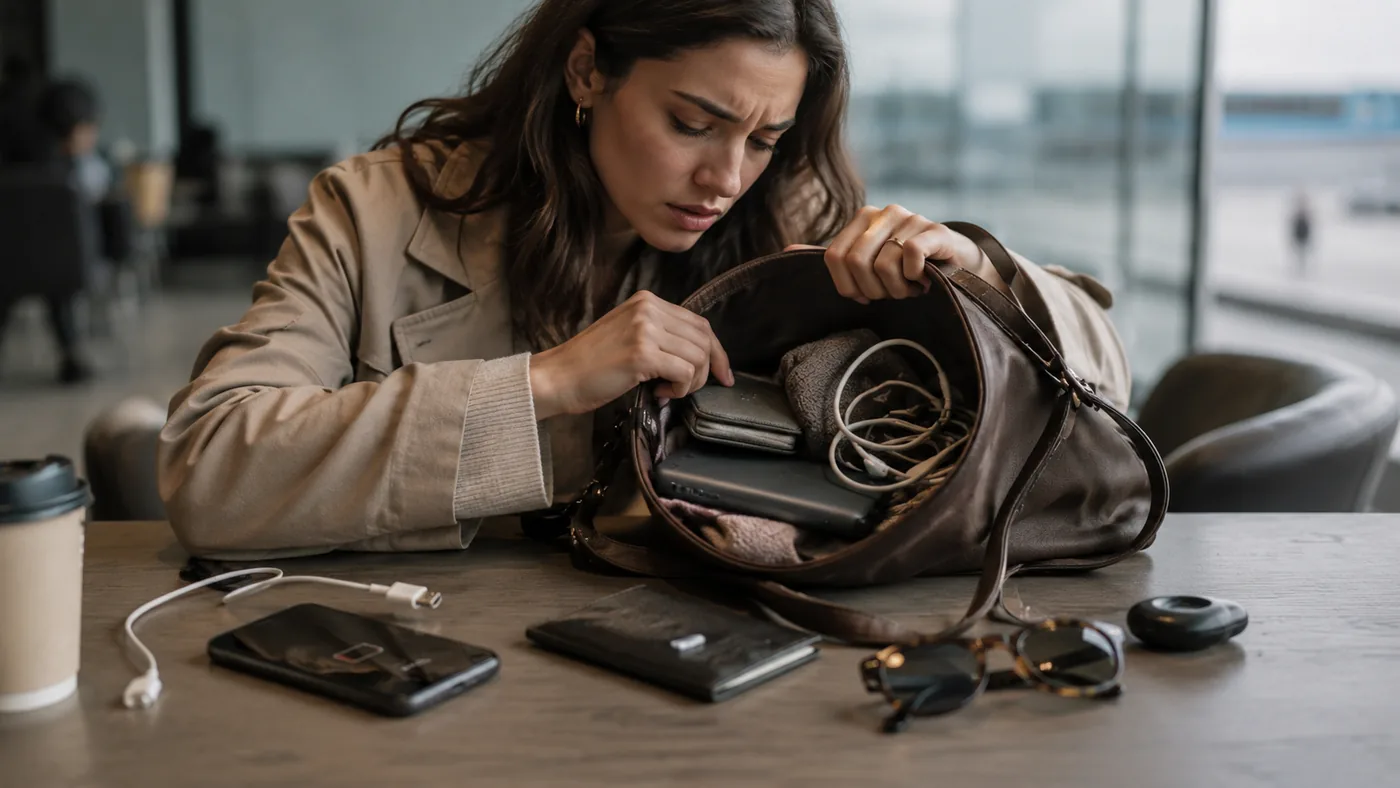
Magnetic Wireless Power Bank: Will It Work with Your Phone and Case?
Quick Answer
A phone that runs low during long days should first be managed by charging before leaving, reducing background drain, and carrying a cable that already works. A magnetic wireless power bank helps when the phone must stay usable during travel, long workdays, or other time away from an outlet. Skip it if the phone, case, magnetic alignment, or wireless charging standard is uncertain.
- Try first: Check battery health, reduce avoidable drain, and use the reliable charger already in your bag.
- Consider one when: The phone repeatedly needs a partial top-up while maps, calls, cameras, or other essential apps remain in use.
- Skip if: A cable works comfortably, the device lacks compatible wireless charging, or extra heat and weight would be annoying.
Start With the Real Bottleneck
Running out of battery can come from a worn battery, heavy camera or navigation use, poor signal, background apps, or simply leaving home undercharged. A power bank treats the shortage, not the cause.
- Battery health: An older phone may lose charge quickly even during light use.
- High-demand tasks: Video, GPS, hotspot use, and weak signal increase drain.
- Charging habit: The day begins below a useful charge level.
- Accessory mismatch: A thick case or weak magnetic alignment reduces convenient wireless contact.
Review battery use after a normal long day. If one setting or app explains the drain, changing it may remove the need to carry another battery.
Start With the No-Buy Fix
- Start one typical outing with the phone fully charged.
- Check which apps and services use the most battery.
- Carry the existing cable and charger for one week.
- Test whether a short wired top-up fits the routine.
- Measure how much extra weight and thickness you are willing to keep on the phone.
Try before buying: A small wired power bank you already own is usually enough when cable use does not interfere with walking, handling a lead, or taking photos.
What to Try in Each Situation
Short daily outing
- Start here: Charge before leaving
- Product decision: Usually no
- Check before deciding: Battery health
Long walks with navigation
- Start here: Reduce screen and app drain
- Product decision: A compact bank may help
- Check before deciding: Capacity and weight
Thick protective case
- Start here: Test wireless charging
- Product decision: Only with stable alignment
- Check before deciding: Case compatibility
Phone gets hot
- Start here: Stop and cool device
- Product decision: Do not add wireless heat
- Check before deciding: Temperature guidance
When Adding One Tool Makes Sense
A magnetic power bank becomes useful when an occasional top-up keeps an important phone function available and a hanging cable gets in the way. Navigation, calls, photos, and ticketing apps are common examples during a long outing.
The listing presents a slim magnetic wireless bank with Qi2 wording and broad phone-brand references. Compatibility should be checked by exact device and case. A magnetic hold does not by itself confirm charging speed, usable capacity, or safe thermal behavior.
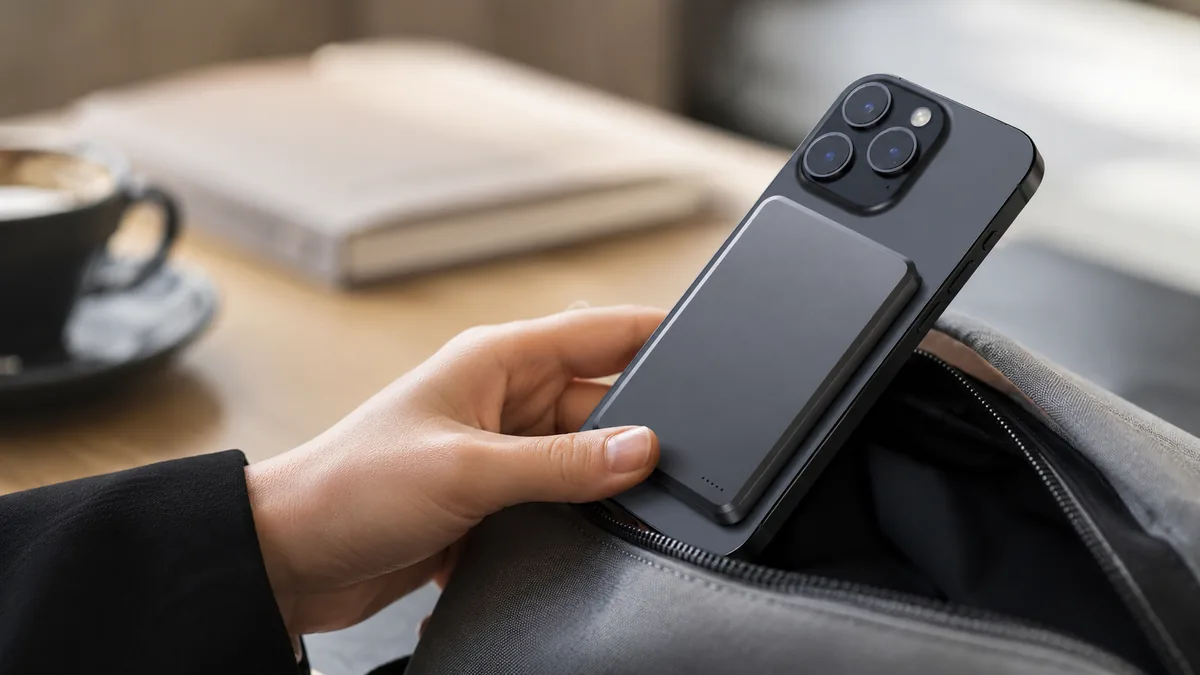
The single AliExpress listing below is one example of this tool type, not a best pick or a hands-on recommendation. Use it only as a reference, and verify the current specifications, compatibility, recent reviews, shipping, returns, and price yourself.
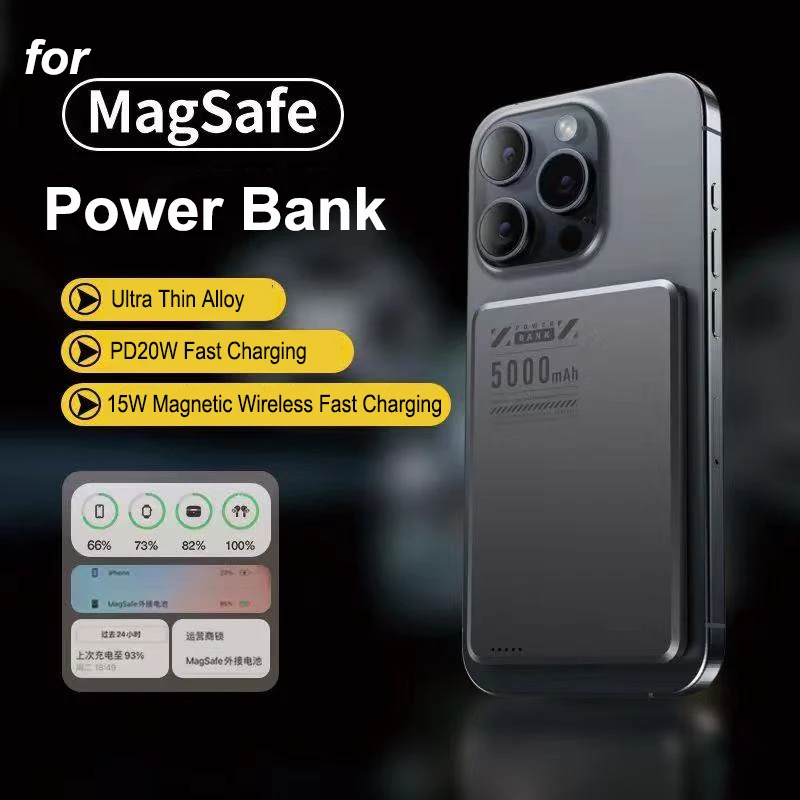
Skip the product if: your phone or case does not align securely, wired charging already works well, or the added heat and weight make the phone harder to handle.
Checks Before You Order
Compatibility is the first question; capacity and portability matter only after the bank can attach and charge as intended.
- Phone standard: Confirm the phone supports the listed wireless charging method and any Qi2 features you expect.
- Case fit: Thick, metal, wallet, or poorly aligned cases can prevent stable attachment or charging.
- Usable capacity: Compare stated capacity cautiously and look for realistic recent feedback about one partial or full charge.
- Heat management: Review instructions for charging in warm weather, direct sun, pockets, and during heavy phone use.
- Wired options: Check the charging port, included cable, and whether the bank can still be used by cable when needed.
Do not buy from magnet strength or a phone-brand list alone; confirm the exact device, case, charging standard, and return terms.
Common Setup Mistakes
- Ignoring battery health. A failing phone battery may need service rather than a permanent external pack.
- Charging under heavy load. Navigation and video can add heat while the bank is attached.
- Assuming every case works. Alignment and distance matter for both hold and charging.
- Choosing by thinness alone. A light shape does not reveal usable energy or thermal behavior.
- Leaving it in a hot car. Lithium batteries need appropriate storage and temperature care.
Common Questions
When is a magnetic wireless power bank worth adding?
It helps when a phone repeatedly needs a portable top-up and a cable would interfere with the activity.
Who should skip a magnetic power bank?
Skip it if compatibility is unclear, the phone overheats, or a wired bank you already own fits the routine.
Does magnetic attachment guarantee fast wireless charging?
No. Charging depends on the phone, standard, alignment, case, temperature, and the exact bank specifications.
Affiliate Disclosure
This article includes one affiliate listing as an optional example. GadgetPickLab may earn a commission at no extra cost if you buy through the link. Verify charging compatibility and battery-safety guidance for your device.