How to Make Daily Pet Care Less Messy
Quick Answer
If daily pet care is getting messy, the fastest fix is usually to change the routine first: keep towels by the door, use a shallow rinse bin, and dry paws before the dog walks through the house. A dog paw cleaner can help when muddy paws are a repeat problem and you want less splashing at the entry. Skip it if the mess is occasional, your dog hates paw handling, or a simple towel-and-water setup already keeps cleanup easy.
- Best for: Repeated muddy paw cleanup near the entryway.
- Skip if: One towel and a quick wipe already solve it.
- Check first: Paw size, dog tolerance, and how much space you have.
When This Setup Makes Sense
This is for people trying to make daily pet care less messy without turning it into a bigger chore. The problem usually shows up at the door, after feeding, after grooming, or during travel cleanup. The right fix is often a small habit change, not another gadget.
- You wipe paws after walks and still end up with muddy floors.
- You want a cleaner entry area without dragging a full bath routine into it.
- You already juggle grooming, feeding, and cleanup in a tight daily schedule.
- You need something simple for a dog that tolerates quick handling but not a full wash.
- You are trying to reduce splashes, dripping towels, and repeated floor cleanup.
Why This Gets Messy
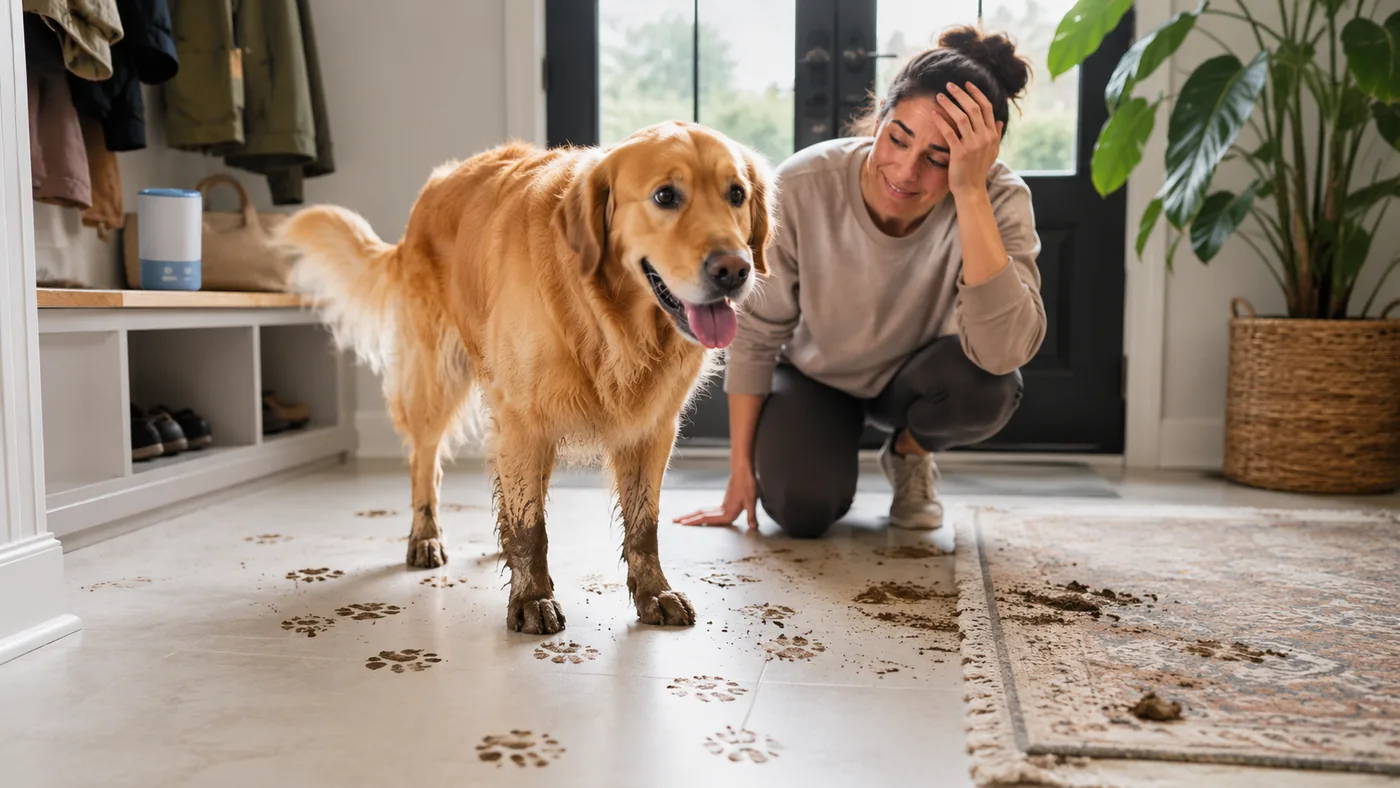
Pet care gets messy when the cleanup step is poorly matched to the mess. A wet paw, a dusty paw, and a muddy paw do not need the same routine, but many people use the same towel for all three. That creates extra wiping, extra floor spots, and more time spent chasing drips.
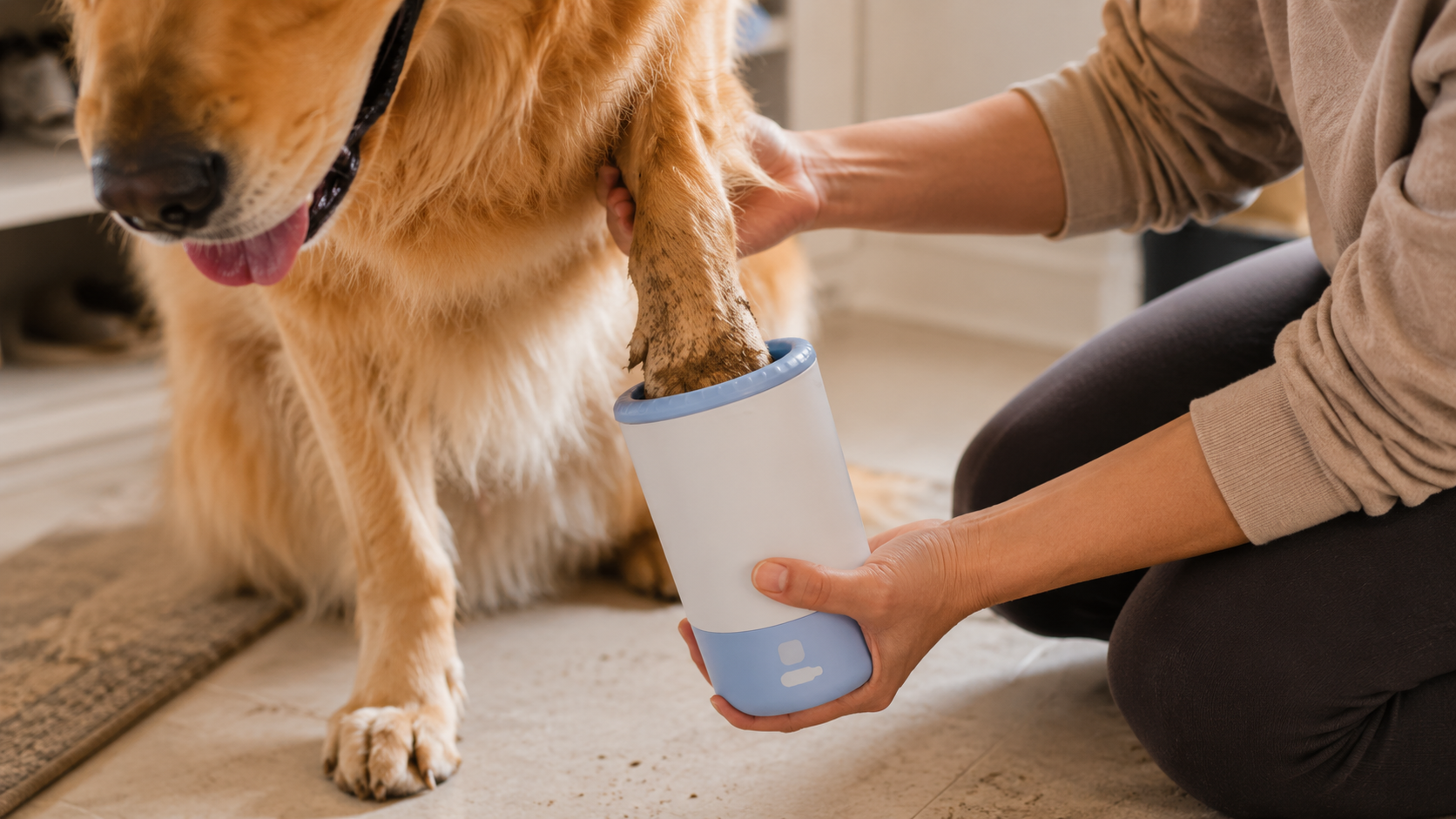
The mess also grows when the setup is awkward. If the towel is too far away, the rinse bowl is too shallow, or the drying spot is cramped, water ends up on the floor or on your clothes. A dog paw cleaner, including the common dog paw cleaner type sold as a foot cup or washing cup, can reduce splashing in that specific situation, but only if the rest of the routine is already sensible.
Simple Setup Steps
- Place cleanup supplies right where the mess starts: a towel, a cloth, and a small rinse container near the door.
- Separate the mess by type. Dry dust may only need a wipe, while mud usually needs a rinse and dry.
- Reduce water volume. A shallow container is easier to control than a deep one that sloshes onto the floor.
- Dry paws before letting the dog move through the house. That is usually enough to stop most track-in mess.
- Check whether your dog stays calm during paw handling. If the routine causes resistance every time, keep it simpler.
- Add a paw-cleaning tool only if it fits your dog, your space, and your cleanup habit. A dog paw cleaner makes sense when it replaces awkward splashing, not when it adds another step.
Fast Comparison Table
| Option | Best for | Watch out for |
|---|---|---|
| Towel wipe | Light dust, fast cleanup | Misses stuck mud |
| Shallow rinse bin | Simple muddy paws | Spills if overfilled |
| Dog paw cleaner | Repeat muddy entry cleanup | Size and dog comfort |
| Full wash routine | Heavy dirt, grooming day | Takes more time |
What to Check Before You Choose
A good setup is one you can repeat without thinking. The less you have to reach, bend, or improvise, the less mess you create. Look at the route from the door to the cleanup spot and remove friction before adding tools.
- Keep supplies within arm’s reach of the entry.
- Match the cleanup method to the actual mess level.
- Use a container that fits your dog’s paw size.
- Choose a spot with room to set a wet towel down.
- Make sure water, cloths, and drying space are easy to reset.
Helpful Tools That Fit This Problem
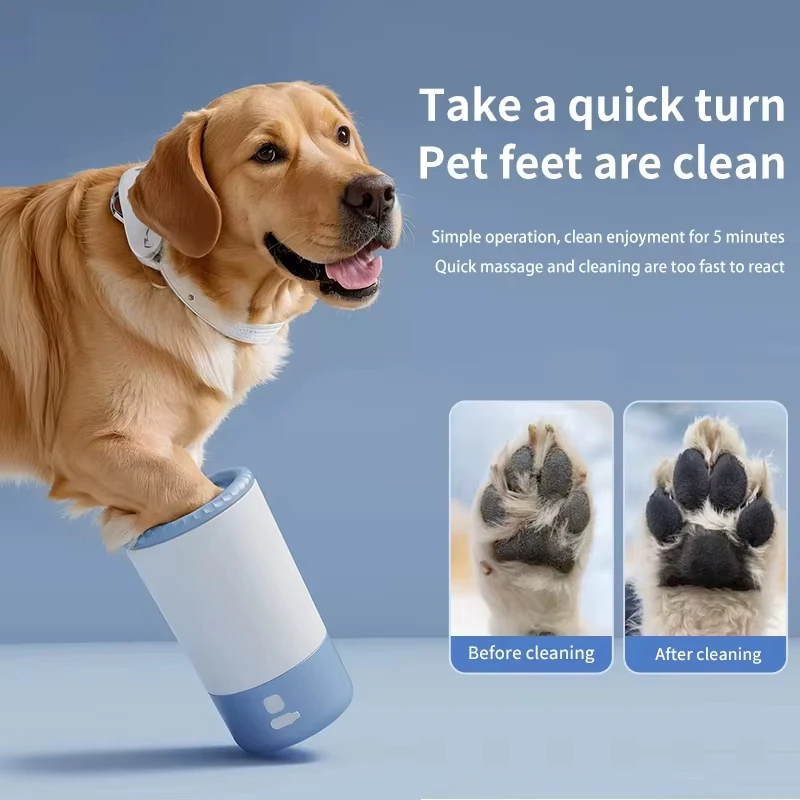
Gadgets help most when the problem is repeatable and the setup is already close to working. If your routine is sound but the cleanup step still splashes, leaks, or slows you down, then a specialized tool can make sense. One example is a dog paw cleaner, including a portable foot-cup style cleaner, which may be useful as a reference point for reducing splashy paw rinses.
Who should skip this: If your dog tolerates a quick towel wipe and that already keeps floors clean, skip the gadget and keep the routine simple.
One AliExpress example that matches this tool type is included below. Use it as a reference point, then check the listing details, compatibility, and fit yourself.
Common Setup Mistakes
- Putting cleanup supplies too far from the door.
- Using too much water and creating new drips.
- Buying a gadget before fixing the towel, bin, or drying setup.
- Choosing a tool that is too small for the dog’s paw size.
- Expecting a gadget to replace training, patience, or a calm routine.
- Ignoring where wet paws will go after cleanup.
Quick Questions
How do I know if a dog paw cleaner makes pet care easier or less messy?
A dog paw cleaner is worth considering if muddy paws are a frequent problem and your current towel-and-water routine still leaves splashes or extra floor cleanup. It helps most when the mess is repeatable and the dog stays calm during paw handling.
When is a gadget worth adding to daily pet care?
Add a gadget when it removes a recurring friction point, such as too much splashing, too much bending, or repeated towel changes. If the habit is already simple and clean, a gadget may only add one more item to store and rinse.
Who should skip a dog paw cleaner?
Skip it if the mess is minor, the dog resists paw handling, or your current routine is already fast and clean. In that case, a towel, a shallow rinse bin, and a better entry setup are usually enough.
What is the simplest setup to try first?
Start with a towel by the door, a shallow water container, and a dry spot for immediate paw drying. That small change solves a lot of daily pet care mess without needing extra gear.
Disclosure Note
This article may mention practical product types as examples, including a dog paw cleaner, but it is not a product review or a claim of personal testing. If a tool appears useful, treat it as one option inside a broader cleanup routine, not as the whole solution.