Pet Hair Remover: Check Cleaning, Fit, and Routine Before Buying
Quick Answer
Loose pet hair is usually easier to control with a consistent brushing spot, a washable cover, and short grooming sessions before another tool is added. A stainless-steel pet comb can help when loose undercoat or small tangles keep returning and your pet tolerates combing. Skip it when a soft brush already handles the coat, or when mats, sore skin, or strong resistance make home grooming unsafe.
- Try first: Brush in one easy-to-clean place and wash the nearby cover regularly.
- Consider one when: Loose undercoat or small tangles remain after normal brushing.
- Skip if: The coat is badly matted, the skin looks irritated, or your pet resists the comb.
What Is Actually Causing the Problem
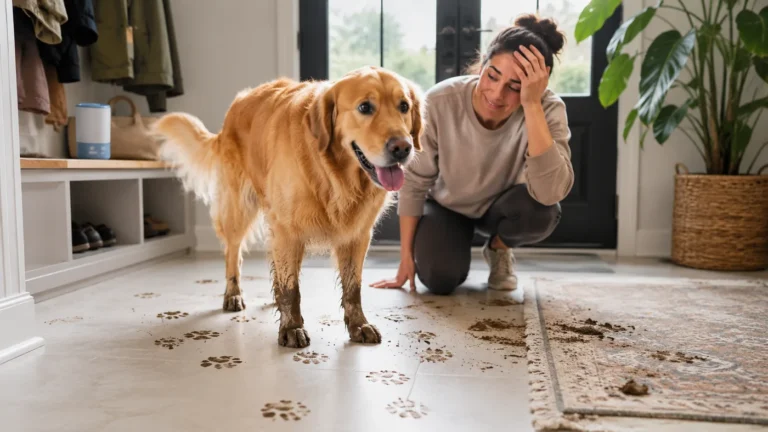
“Too much pet hair” can mean several different things. Loose hair on the sofa is a cleanup problem. Hair caught in the coat is a grooming problem. Tight mats close to the skin are a different problem again, and pulling at them with a fine comb can hurt.
Run your fingers gently through the coat before choosing a tool. If they move through easily and pick up loose hair, a regular brushing routine may be enough. If you feel small snags away from the skin, a comb may help after a softer brush loosens the coat. If the coat is tight, damp, painful, or hiding irritated skin, stop and use a groomer or veterinary professional rather than forcing the tool through it.
- Surface shedding: Hair lands on clothing, bedding, and furniture but the coat itself feels smooth.
- Loose undercoat: Hair stays trapped beneath the top coat and comes out in small clumps.
- Minor tangles: A few sections catch the fingers but are not tight against the skin.
- Mats or skin trouble: The coat feels dense, the pet flinches, or the skin looks sore.
What to Change Before Adding Gear
- Choose one grooming spot. Use a washable towel or mat so loose hair does not spread through the room.
- Start with a soft brush. Short strokes help reveal whether the problem is shedding, tangles, or discomfort.
- Keep sessions brief. Stop while the pet is still calm instead of trying to finish the whole coat at once.
- Clean bedding and covers. Removing hair from the environment often makes the problem feel much smaller.
- Watch the skin. Redness, flakes, bald areas, pain, or sudden heavy shedding deserves professional advice.
Try before buying: Use the brush you already own for several short sessions in the same location. If it removes loose hair comfortably, a new comb may only duplicate the routine.
What to Try in Each Situation
Hair mainly lands on furniture
- Start here: Washable cover and lint roller
- Product decision: Usually no extra grooming tool
- Check before deciding: Where the hair collects most
The coat releases loose undercoat
- Start here: Short session with a soft brush
- Product decision: A comb may catch what remains
- Check before deciding: Tooth spacing and coat type
A few small tangles keep returning
- Start here: Separate gently with fingers
- Product decision: A smooth comb may finish the job
- Check before deciding: Rounded tips and comfortable grip
Mats sit close to sore skin
- Start here: Stop home grooming
- Product decision: No purchase; seek professional help
- Check before deciding: Pain, redness, and mat location
The Point Where Gear Becomes Useful
A stainless-steel pet comb starts to make sense when a soft brush leaves loose undercoat behind or when small, manageable tangles return in the same areas. It should make a calm routine easier, not turn grooming into a struggle. The comb below is one example of the tool type, not a claim that it suits every dog or cat coat.
Use light pressure and work from the ends of longer hair toward the body. A useful comb should move smoothly, feel easy to clean, and let you stop immediately if it catches. Coat length, density, tooth spacing, and the pet’s tolerance matter more than a long list of breeds in a product description.
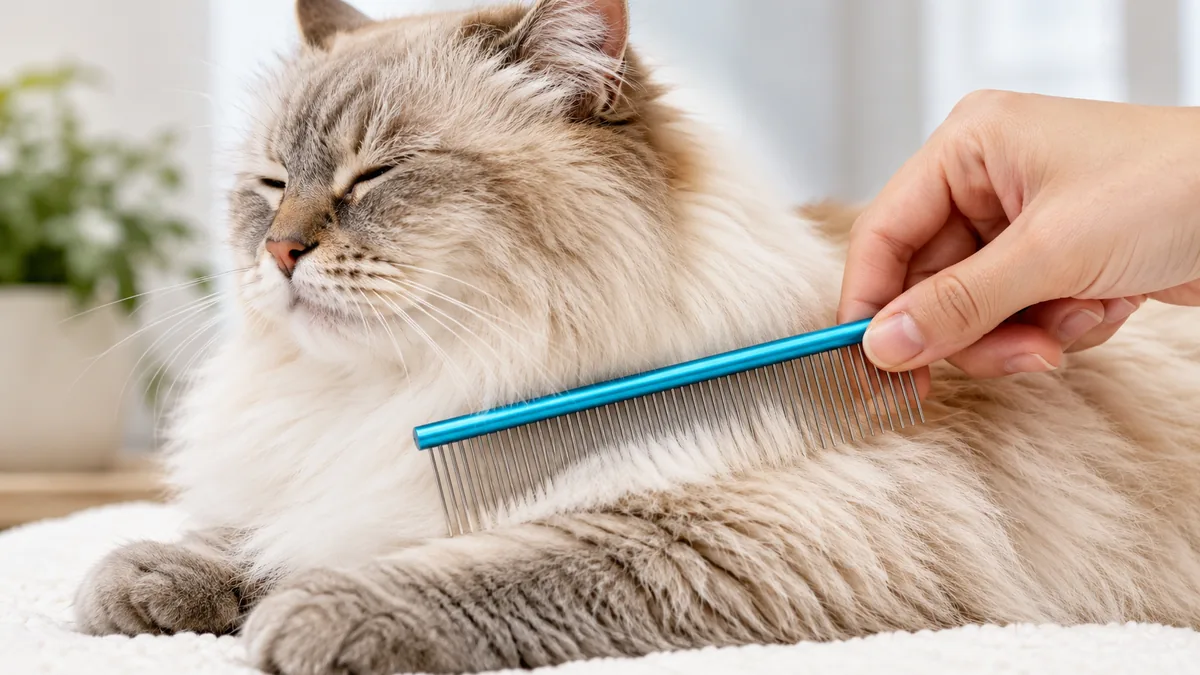
The single AliExpress listing below is one example of this tool type, not a best pick or a hands-on recommendation. Use it only as a reference, and verify the current specifications, compatibility, recent reviews, shipping, returns, and price yourself.
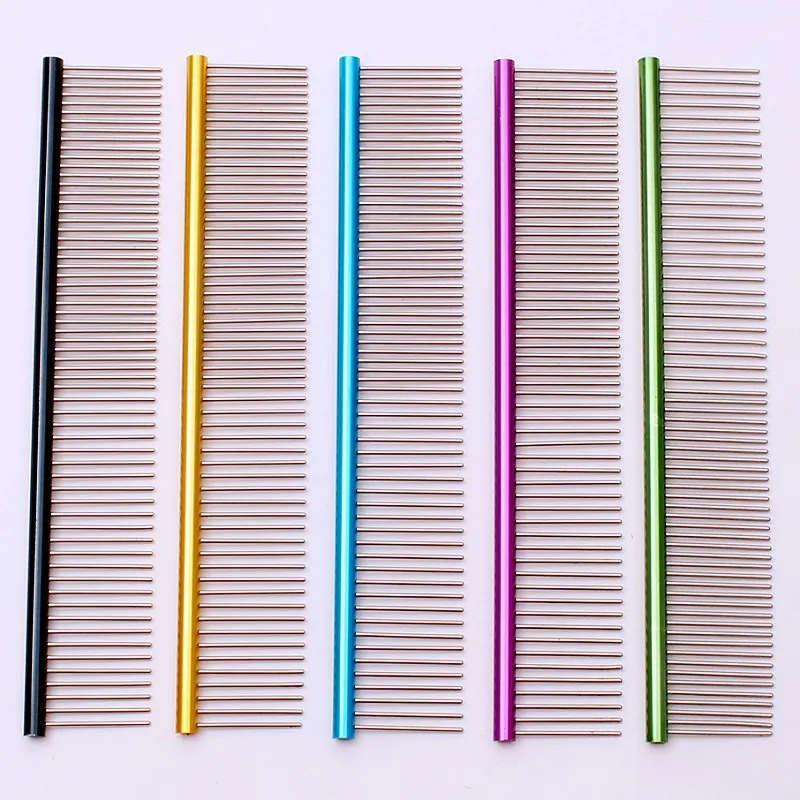
Skip the product if: Your current brush already removes loose hair, your pet dislikes metal teeth, or the real problem is a tight mat or skin condition that needs professional care.
Checks Before You Order
This listing presents the tool as a stainless-steel comb for removing loose pet hair and working through knots. Before ordering, focus on how the comb will meet your pet’s actual coat rather than on the broad grooming claims.
- Tooth spacing: Wider spacing is usually easier for a thicker coat, while closely spaced teeth can catch more easily.
- Tip finish: Teeth should look smooth and rounded, with no sharp edges or rough joins near the handle.
- Working size: A small comb offers control around legs and ears; a wider one covers the body faster but may feel awkward.
- Handle comfort: The grip should stay secure when your hand is holding loose hair or moving carefully around the coat.
- Cleaning: Hair should lift out without needing another special tool, and the comb should dry fully after washing.
- Pet tolerance: Introduce the comb slowly and stop if the pet flinches, turns, hides, or shows stress.
If the listing does not show the tooth spacing and full comb dimensions clearly, compare those details before choosing an option.
Common Setup Mistakes
- Pulling through a snag. A caught comb is a signal to stop, not to use more force.
- Starting close to the skin. Longer coats are easier to manage from the ends in small sections.
- Grooming for too long. Several calm minutes are more useful than one stressful full-coat session.
- Treating every coat alike. A tool that suits one pet may be uncomfortable or ineffective for another.
- Ignoring the room setup. Even a good comb feels messy when there is no washable surface or bin nearby.
Quick Questions
When is a pet comb worth adding?
It is worth considering when a soft brush works comfortably but repeatedly leaves loose undercoat or small tangles behind. The comb should complete an existing routine rather than replace regular brushing, cleaning, or professional help for mats.
Who should skip a stainless-steel grooming comb?
Skip it when the pet has a very short coat that is already easy to maintain, strongly resists the feel of metal teeth, or has tight mats, pain, redness, or broken skin. Those cases need a different approach.
Can one comb work for both dogs and cats?
Sometimes, but species alone does not determine the fit. Coat length, density, tooth spacing, comb size, and the animal’s tolerance are more useful checks than a universal dog-and-cat label.
Affiliate Disclosure
This article includes one affiliate listing as an optional example. GadgetPickLab may earn a commission at no extra cost if you buy through the link. The comb has not been presented as hands-on tested or as the right choice for every pet; choose according to coat condition and comfort.